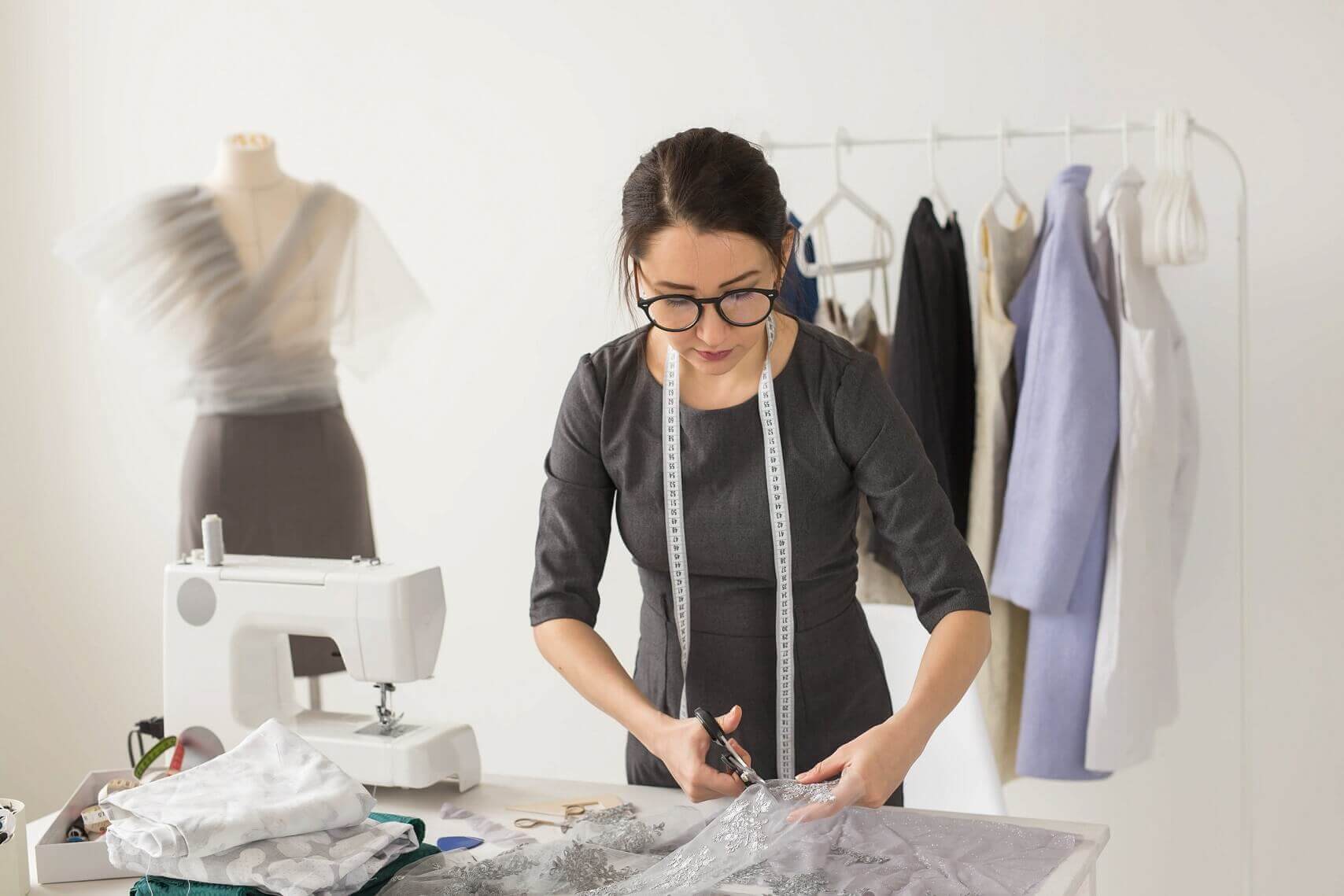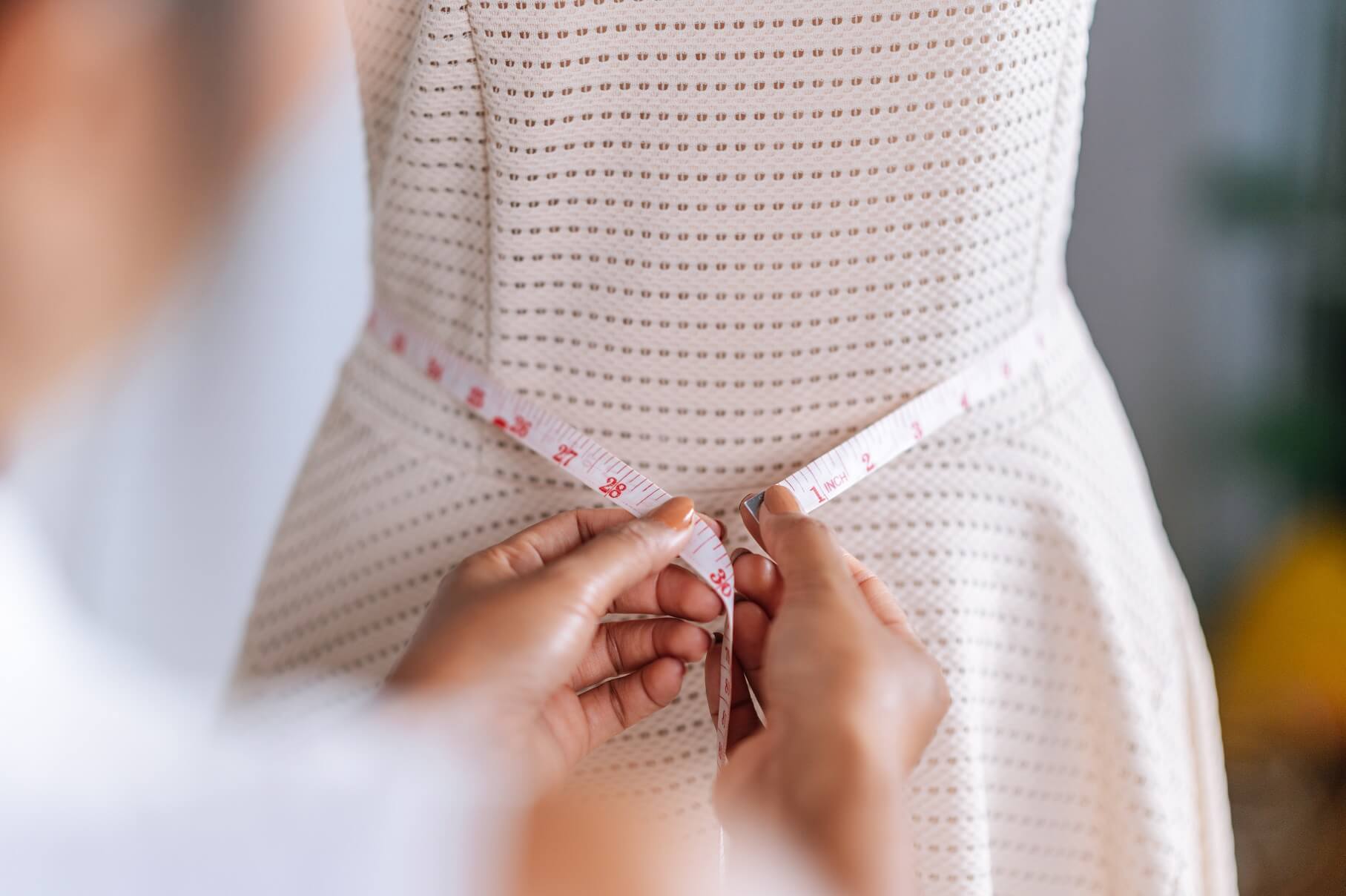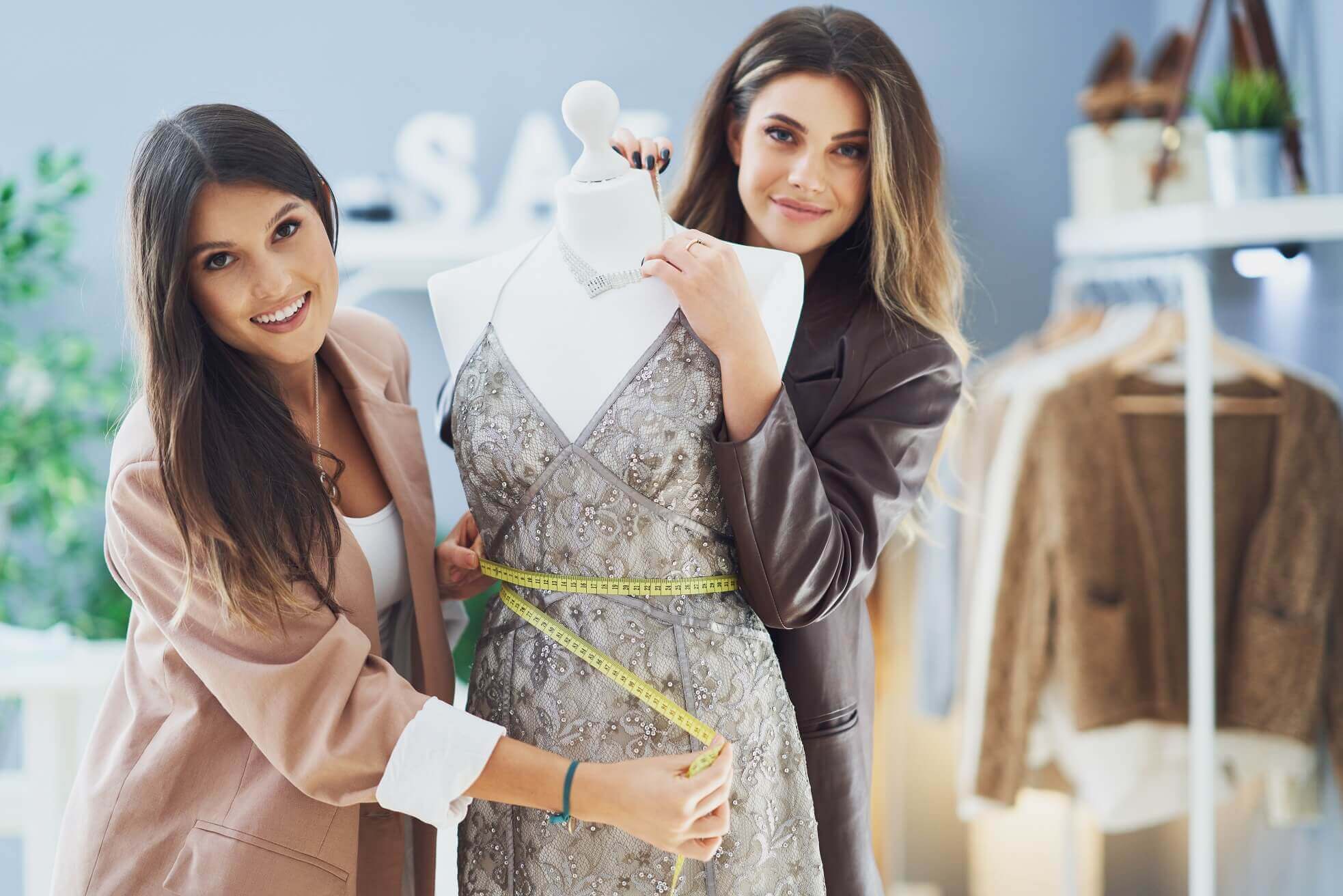

DIY fashion enthusiasts looking to create stylish pieces without overspending need reliable and affordable tools. The best tools for DIY fashion on a budget include basic sewing kits, fabric scissors, and inexpensive fabric markers. These allow for precise work and creative design without breaking the bank.
Using the right tools makes the process simpler and more professional-looking. Tools like measuring tapes, seam rippers, and inexpensive sewing machines can elevate any DIY project while keeping costs low.
Anyone wanting to explore DIY fashion should focus on durable, multi-purpose tools that last beyond a single project. This approach saves money and encourages ongoing creativity.
Essential DIY Fashion Tools for Budget-Friendly Projects
Budget-conscious DIY fashion requires tools that balance functionality with cost-effectiveness. Selecting quality equipment and resources ensures durability and versatility in crafting unique wardrobe pieces without overspending.
Sewing Kits and Basic Equipment
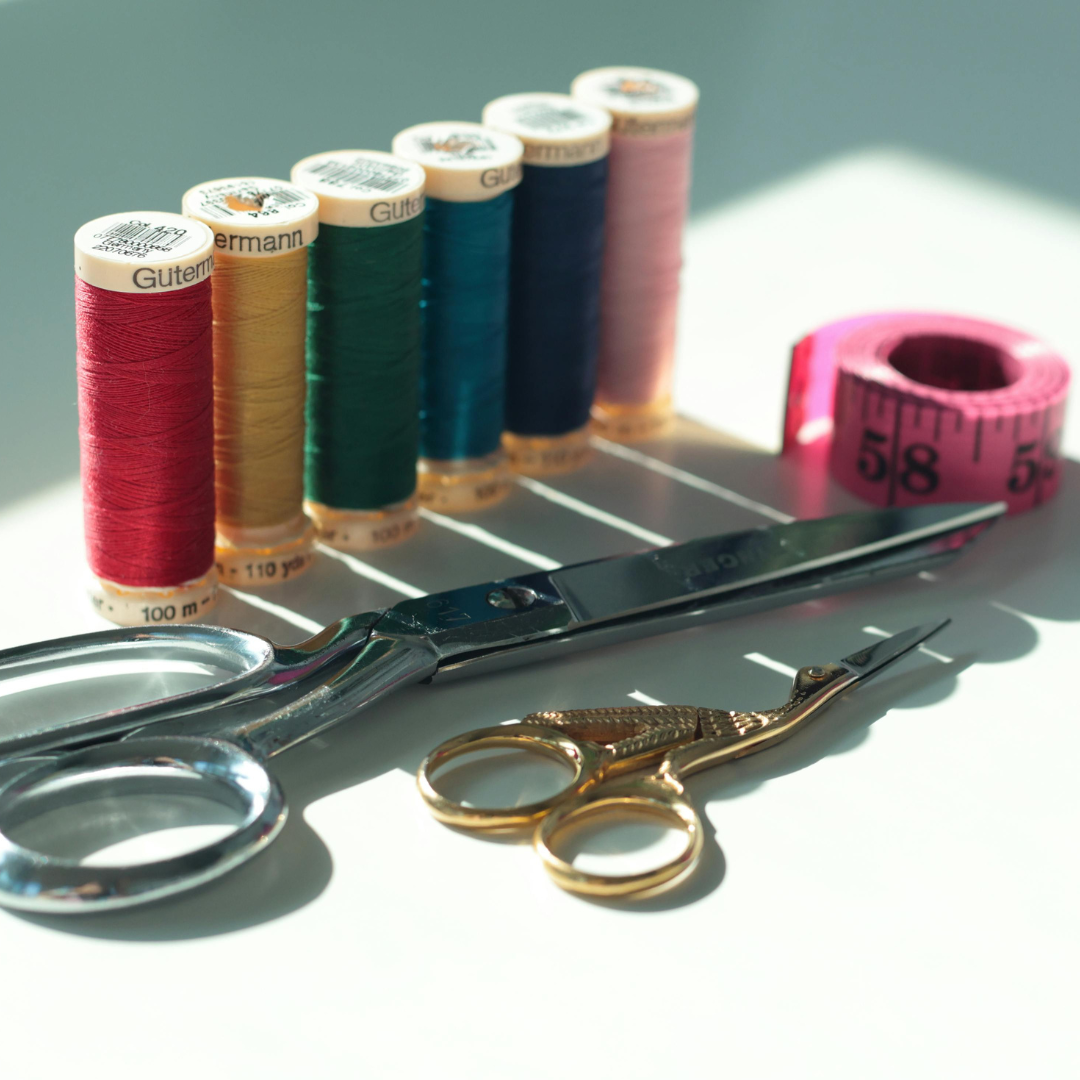
A compact sewing kit is fundamental for DIY fashion projects. It should include needles, various thread colours, scissors, pins, a thimble, and a measuring tape. These tools allow precise adjustments and repairs, improving garment fit and extending wardrobe life.
Investing in a basic sewing machine can increase efficiency and professional finish. Models with simple stitch options and adjustable settings offer good versatility without high cost. Thread quality impacts durability, so mid-range polyester or cotton blends are recommended.
Additionally, fabric chalk and seam rippers are essential for marking and correcting mistakes. Together, these items form the foundation for quality DIY sewing that supports long-lasting fashion pieces.
Upcycling and Repurposing Tools
Upcycling transforms old clothes into new wardrobe favourites, requiring minimal specialised tools. Essential items include fabric glue, patches, iron-on vinyl, and decorative trims like buttons or lace for customisation.
A sturdy pair of fabric scissors or a rotary cutter is important for clean cuts, helping maintain garment quality. Seam sealing tape and fusible interfacing support structural durability when combining different fabrics.
These tools enable adaptability, allowing users to extend clothing lifespan efficiently. Upcycling encourages creativity while maintaining affordability and quality in everyday fashion.
Affordable Online Resources and Apps
Numerous online platforms provide templates, tutorials, and pattern libraries suitable for budget DIY fashion. Websites like Pinterest and Etsy offer affordable sewing patterns and design ideas, increasing project variety without costly investments.
Apps focusing on wardrobe management help repurpose existing clothes more effectively. They track outfits and suggest combinations, promoting versatility and reducing impulsive purchases.
Access to instructional videos on platforms such as YouTube offers clear guidance on tool usage and project techniques. Utilising these digital resources improves skills, ensuring better quality results with minimal cost.
Smart Shopping: Where to Find Affordable Fashion Supplies
Finding budget-friendly fashion supplies involves smart choices about where and when to shop. Key strategies include exploring second-hand options, taking advantage of sales, and considering eco-friendly alternatives.
Navigating Thrift Stores and Second-Hand Platforms
Thrift stores often carry unique fabrics, accessories, and even ready-made clothes at prices far below retail. Shoppers should visit regularly as stock changes frequently.
Online second-hand platforms like Depop and eBay offer a wide range of affordable supplies, making it simple to source specific items. It helps to set alerts for desired materials or brands to catch good deals quickly.
Focusing on quality over quantity ensures items can be repurposed or upcycled effectively. Examining the condition closely avoids surprises and wasted spend.
Leveraging Sales, Discounts, and Seasonal Offers
Seasonal sales, particularly post-winter and post-summer, are prime times for sourcing fabrics and embellishments at reduced prices. Retailers clear inventory, creating significant markdown opportunities.
Signing up for newsletters or loyalty programmes can provide early access to exclusive discounts and flash sales. Using price comparison sites or browser extensions helps find the best deal.
Bulk buying during sales can lower the cost per unit but requires storage space and planning. Always check return policies on discounted items to avoid issues.
Eco-Friendly Shopping for Sustainable Fashion
Sustainable fashion choices reduce environmental impact and support long-term use. Buying from brands with recycled or organic fabrics aligns with this goal.
Upcycling old clothes and materials also minimises waste. Some community swaps and eco-markets specialise in sustainable supplies.
Looking for certifications like GOTS (Global Organic Textile Standard) or OEKO-TEX ensures materials meet environmental and social standards. This approach supports ethical production without necessarily increasing costs.
Building a Stylish Wardrobe on a Budget
A stylish wardrobe does not require overspending. Focusing on versatile clothing, investing in foundational pieces, and discovering personal inspiration through social media platforms can build a functional, fashionable collection without breaking the bank.
Creating a Capsule Wardrobe
A capsule wardrobe limits clothing to essential, interchangeable items designed for maximum utility. It includes about 30-40 pieces that work well together, making dressing simpler and more effective.
Key benefits of a capsule wardrobe are cost savings and reduced clutter. By choosing neutral colours and classic styles, the pieces remain timeless and adaptable for various occasions. Prioritising quality over quantity ensures each garment lasts longer.
Selecting Essential Pieces and Basics
Essential pieces like a well-fitted white shirt, dark jeans, a tailored blazer, and versatile footwear form the backbone of a stylish wardrobe. Basics must be comfortable, durable, and easy to mix and match.
Investing in these staples helps create multiple outfits with fewer items. Items like a black pencil skirt or a neutral jumper serve as excellent canvases for personalising styles with accessories or layering.
| Essential Pieces | Recommended Characteristics |
| White Shirt | Crisp, well-cut |
| Dark Jeans | Slim or straight fit |
| Tailored Blazer | Neutral colour, structured fit |
| Versatile Footwear | Comfortable, season-appropriate |
Personal Style Inspiration from Social Media
Social media platforms such as Instagram, Pinterest, and fashion blogs offer abundant style ideas and guidance for budget-friendly fashion. Following credible sources like ELLE enables access to current trends, seasonal essentials, and styling tips.
Users can create boards or save posts to build a personal style reference. It is important to adapt trends to individual taste and budget rather than replicate looks exactly. Social media also highlights DIY alterations and affordable brands, aiding budget fashion planning.
Maximising Longevity and Versatility in Your DIY Fashion
Maintaining and enhancing the lifespan and adaptability of DIY fashion pieces requires careful attention to materials and construction, along with deliberate choices during shopping and crafting. Practical care techniques and quality-focused choices help build a reliable wardrobe without overspending.
Caring for Your Clothes and Materials
Proper care begins with knowing the fabric type and following specific washing instructions. Using cold water and gentle cycles reduces wear and colour fading. Avoiding harsh detergents and fabric softeners preserves fibres and elasticity.
Storing clothes correctly also extends wear. Hanging knitwear can cause stretching, so folding is preferable. For natural fibres like cotton and wool, keep items in a cool, dry place to prevent mildew and colour loss.
Repairing minor damage early, such as small tears or loose threads, prevents costly replacements. Investing in basic sewing tools aids quick fixes, supporting the overall durability of DIY creations.
Tips for Quality and Durability on a Budget
Smart shopping is key to durability and versatility. Buying fabrics with tight weaves and higher thread counts ensures stronger garments. Look for natural fibres like cotton blends that balance quality and cost.
Choosing timeless styles instead of fast fashion trends adds versatility for multiple occasions. Neutral colours and simple patterns integrate easily into existing wardrobes, allowing more outfit combinations.
Considering multi-use designs, such as reversible pieces or items that can be altered easily, maximises wear without frequent purchases. Prioritising solid construction techniques, like reinforced seams and double stitching, enhances the lifespan of DIY projects.