
Everyone faces the challenge of tired outfits that no longer feel inspiring. Refreshing a look doesn’t require a complete wardrobe overhaul or expensive additions. Simple hacks like swapping accessories, adjusting proportions, or adding layers can instantly breathe new life into familiar clothes.
Small changes can make a significant difference without much effort. By experimenting with colours, textures, and styling techniques, anyone can transform their everyday clothes into fresh, engaging ensembles. These easy tips help avoid the frustration of feeling stuck in a style rut.
Understanding how to mix and match existing pieces wisely encourages a practical approach to fashion. This guide will walk through straightforward methods that bring creativity back to tired outfits while keeping things simple and effective.
Practical Hacks to Revitalise Tired Outfits
Refreshing a worn outfit can be quick and effective by rethinking combinations, adding focal accessories, and using layers creatively. These approaches provide straightforward ways to transform basic looks without buying new clothes.
Mixing and Matching Clothing Essentials
He can refresh tired outfits by pairing wardrobe staples in unexpected ways. For example, combining a classic white shirt with patterned trousers adds contrast and interest. Swapping usual denim jeans for culottes or tailored shorts can also update a casual look without extra expense.
Neutral basics like black trousers, plain tees, and simple skirts offer versatility. Mixing textures, such as pairing cotton with leather or knitwear with silk, adds subtle complexity to an outfit. This makes familiar pieces feel new without altering the core wardrobe.
He should focus on balance—matching fitted items with looser ones to create flattering shapes. Thoughtful combinations can quickly elevate standard outfits into more polished or trendy looks.
Incorporating Statement Accessories
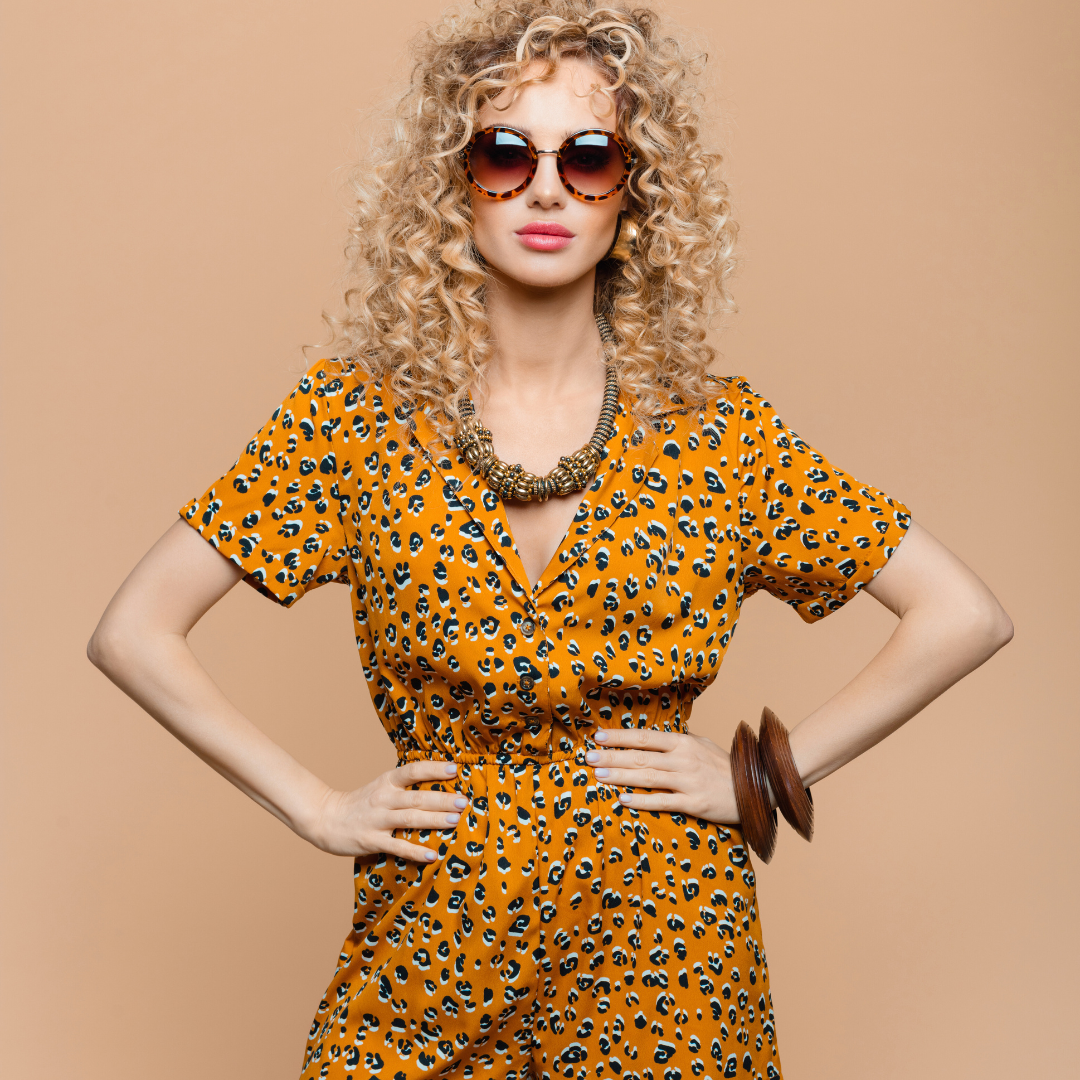
Adding statement accessories can radically refresh a tired outfit. Bold jewellery, such as colourful necklaces or oversized earrings, draws attention and adds personality without changing clothes. A brightly coloured belt or patterned scarf can provide a fresh focal point.
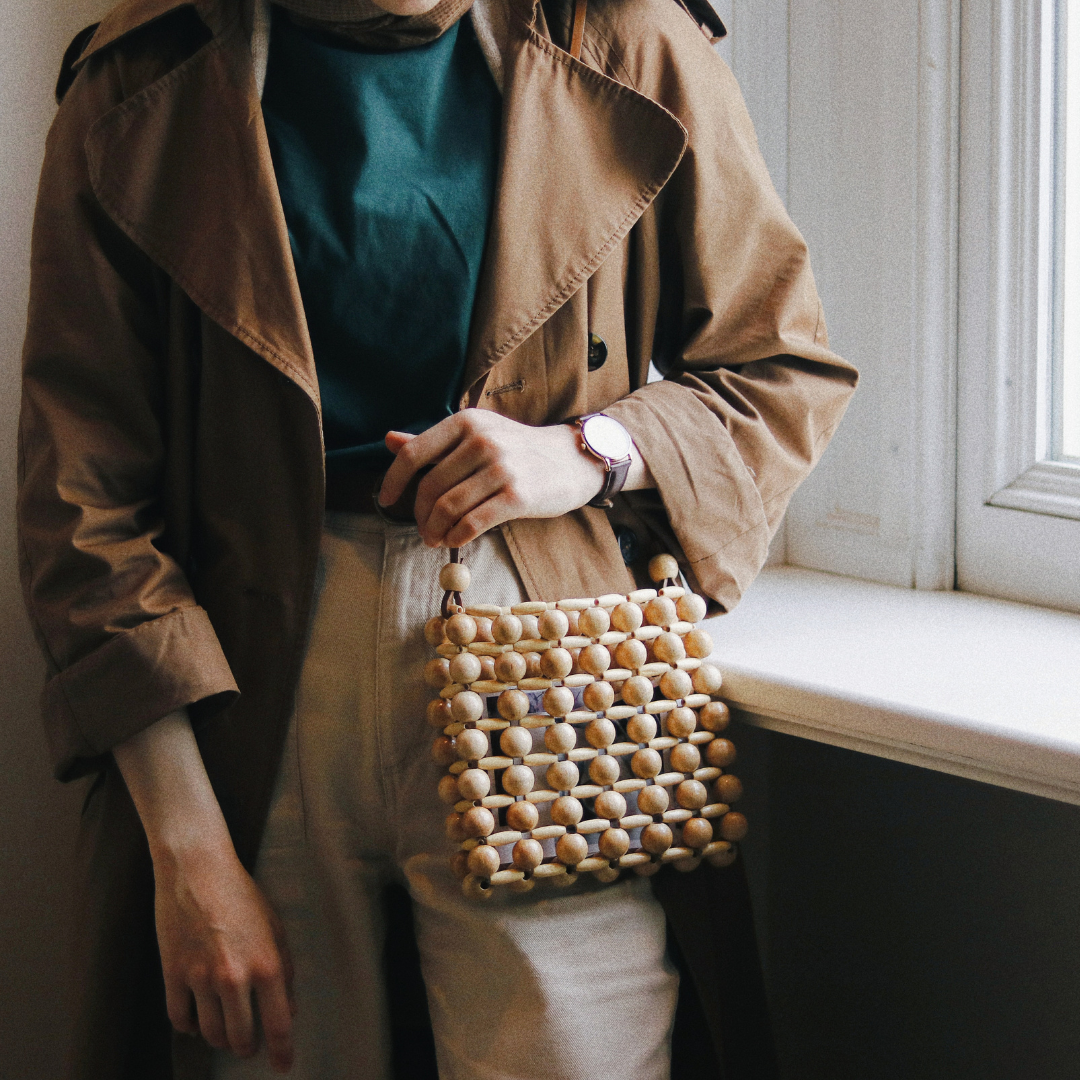
Footwear switches, like choosing vibrant trainers over neutral flats or boots, inject new energy into an ensemble. Structured bags in unique shapes or textures can shift the outfit’s tone from casual to smart effortlessly.
Accessories create variety and allow him to express style with minimal effort. Keeping basic clothing neutral and introducing striking accessories works well to vary looks daily.
Layering for Instant Style Updates
Layering introduces depth and sophistication to simple outfits. He can add a lightweight blazer or waistcoat over a T-shirt and jeans for a smart-casual update. A longline cardigan or kimono provides movement and shape while covering worn areas.
Using different lengths and fabrics in layers prevents bulkiness. For instance, a cropped jacket over a tunic-length top creates proportion play. Adding a thin turtleneck beneath a dress transforms it for colder months while changing the silhouette.
Layering also allows for experimenting with colour contrasts or tonal looks. It offers an easy way to adapt outfits for different occasions or seasons without purchasing new items.
Creative Ways to Refresh Wardrobe Basics
Tired outfits can gain new life through simple, targeted improvements. Tools and small DIY projects can restore fabric quality, alter looks, and add variety without buying new clothes.
Utilising Fabric Shavers and Maintenance Tools
Fabric shavers remove bobbles and fuzz from sweaters, cardigans, and cotton tops, instantly improving their appearance. Regular use prevents garments from looking worn and extends their lifespan.
Lint rollers and specialised brushes clear dust and pet hair efficiently. Stain removers targeted for specific fabrics help keep basics clean and fresh.
Using appropriate detergents and washing methods also maintains fabric texture. Proper drying, like air drying, stops stretching and fading.
Upcycling and Customising Old Garments
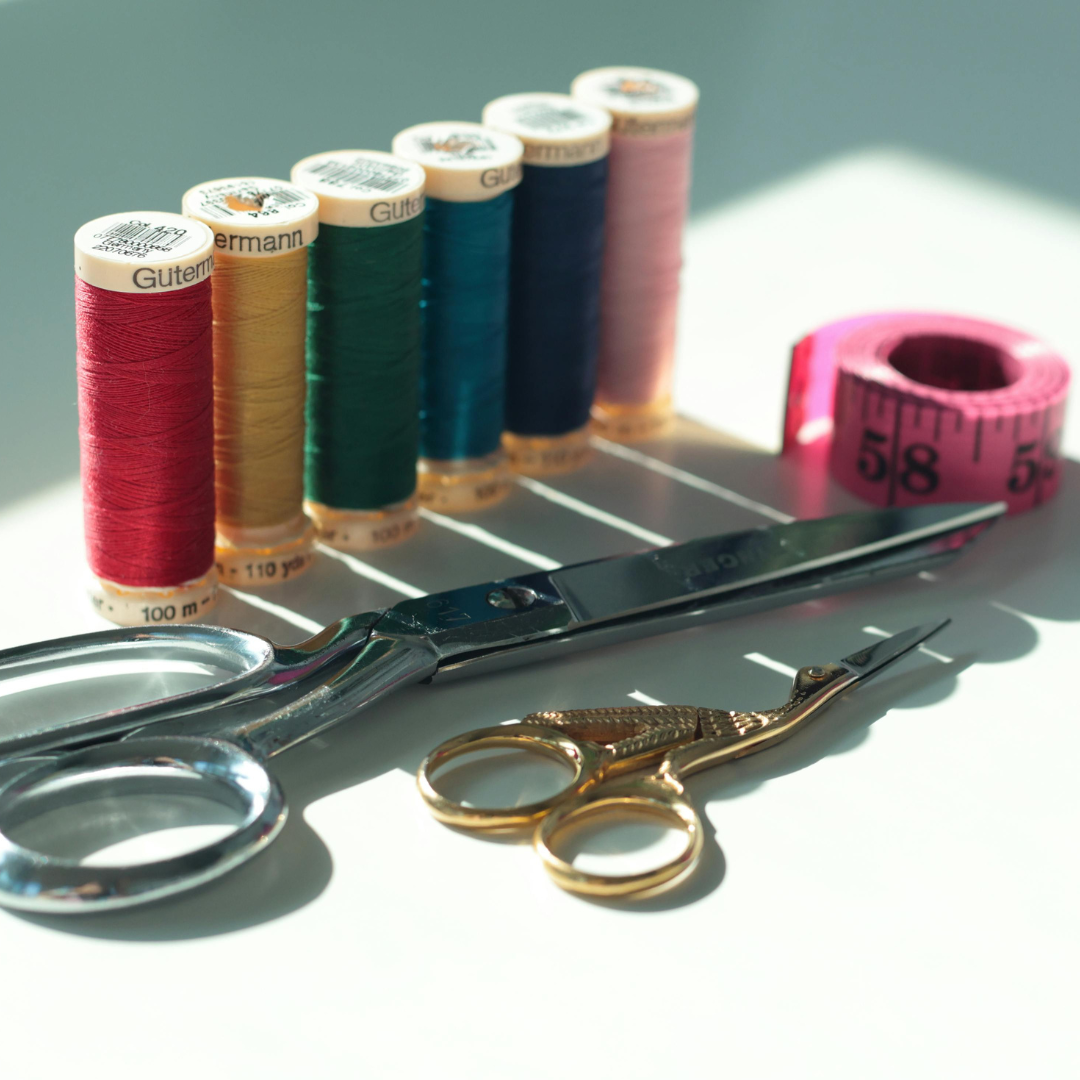
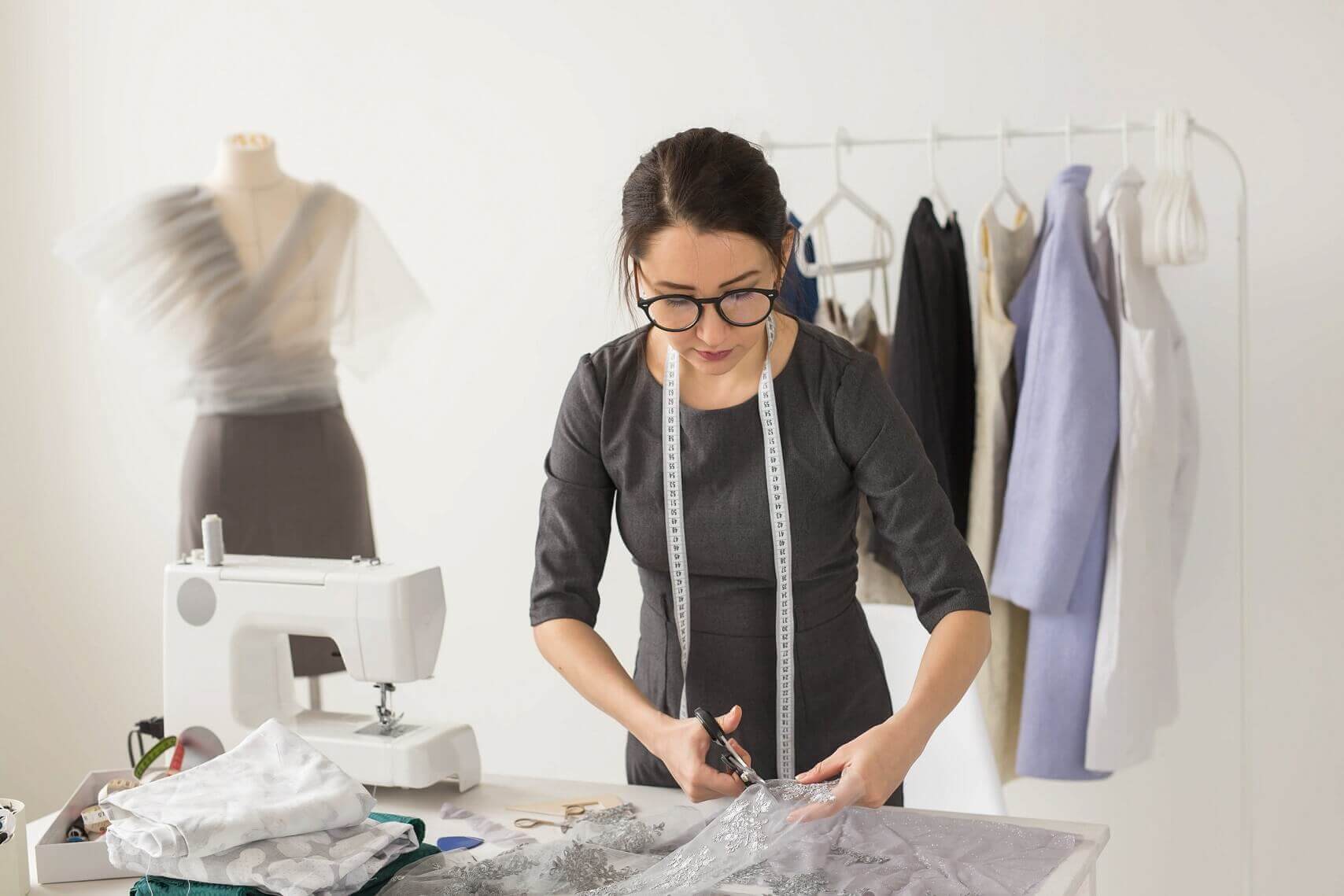
Old clothes can be transformed with minimal sewing or no-sew methods. Adding patches or decorative embroidery revitalises plain shirts or denim.
Cutting garments into new shapes, such as cropped tops or frayed hems, creates modern styles. Dyeing fabric allows refreshing colours without purchasing new items.
Customisation with fabric paint or iron-on transfers gives unique details. These changes personalise basics and make them feel new.
Reinventing Looks with Scarves and Bandanas
Scarves and bandanas are versatile accessories that quickly update an outfit. They can be tied around the neck, wrist, or handbag for different effects.
Using them as hair accessories or belt substitutes adds interest without clutter. Lightweight scarves also transform open jackets or tops by adding texture and colour.
Selecting scarves in contrasting or complementary colours refreshes simple outfits. They provide instant style boosts through layering or accent details.
Smart Styling Tips for Every Season
Refreshing tired outfits involves practical changes that work throughout the year. Focusing on layering, replacing key items, and adjusting for weather shifts can revitalise looks effectively without needing a full wardrobe overhaul.
Lightweight Layers and Open-Weave Knits
Lightweight layers add dimension without bulk. Using thin cardigans, scarves, or shirts under heavier pieces keeps outfits dynamic and weather-appropriate.
Open-weave knits, like loose cotton or linen sweaters, provide texture and breathability. They work well in warmer weather or as transitional layering pieces in cooler months.
Combining such fabrics with smooth cotton or denim creates visual contrast. This approach allows the outfit to stay comfortable yet polished. Colours like beige, soft grey, or pastels are versatile for mixing and matching seasons.
Swapping Outdated Items with Clothing Swaps
Clothing swaps refresh wardrobes without extra spending. Exchanging items with friends or community groups introduces new styles and removes unworn or dated pieces.
This practice promotes sustainability and reduces clutter. It also gives access to current trends or seasonal necessities without shopping.
To maximise swaps, focus on staple pieces such as jackets, jeans, or shoes. Items in good condition that fit well provide the most value. Keep swaps casual but organised, using lists or photos to streamline choices.
Adapting Outfits for Seasonal Transitions
Seasonal transitions require flexible styling to balance temperature changes. Layering is key, but so is selecting clothing that can shift easily from cooler mornings to warm afternoons.
For example, pairing a light long-sleeve top with a sleeveless dress offers protection and style. Switching from boots to loafers can also update the look for warmer days.
Accessories like hats or sunglasses work well as practical additions at transition times. Choosing neutral colours helps pieces blend for a smooth, adaptable wardrobe.