
Minimalist fashion focuses on the principle of simplicity and the concept that less is more. By adopting a minimalist style, individuals can streamline their wardrobes, making it easier to curate outfits that reflect their personal aesthetic while maintaining a sense of clarity and order. Minimalist fashion for everyday wear promotes thoughtful choices, enabling one to cultivate a versatile and timeless wardrobe without excess clutter.
Embracing this approach means prioritising quality over quantity, opting for essential pieces that can be mixed and matched effortlessly. A minimalist wardrobe consists of neutral colours, clean lines, and functional designs, making it both practical and stylish. The emphasis is on creating outfits that are not only chic but also reduce decision fatigue, allowing for a refined look every day.
In a world filled with fast fashion and fleeting trends, minimalist fashion stands out as a sustainable alternative. This approach encourages individuals to invest in fewer, but higher-quality items, which last longer and contribute to a more conscientious lifestyle. By simplifying their fashion choices, they can focus on cultivating their unique style without overwhelming distractions.
Foundations of Minimalist Fashion
Minimalist fashion emphasises simplicity, quality, and versatility in one’s wardrobe. It centres around timeless pieces, neutral colours, and the idea of less being more, ensuring that the essentials can be mixed and matched effectively.
Defining Minimalism in Wardrobe
Minimalism in a wardrobe focuses on curating a collection of essential items that offer maximum versatility. This approach prioritises quality over quantity, encouraging individuals to invest in pieces that withstand trends.
Key characteristics of a minimalist wardrobe include:
- Neutral colours: These provide ease when coordinating outfits.
- Classic silhouettes: Timeless cuts that suit various body types ensure that items remain stylish over the years.
By choosing fewer, high-quality items, one can streamline their wardrobe while maintaining a polished appearance.
The Capsule Wardrobe Concept
The capsule wardrobe concept embodies the minimalist philosophy, where a limited number of essential pieces create multiple outfit combinations. This idea promotes sustainability by encouraging individuals to buy fewer items of quality materials.
Typically consisting of around 30-40 garments, a well-planned capsule wardrobe includes:
- Tops
- Bottoms
- Outerwear
- Footwear
- Accessories
Focusing on timeless pieces allows for easy transitions between seasons while ensuring that each item serves a functional purpose. The goal is to reduce clutter and simplify daily outfit decisions.
That said, as wardrobes become more streamlined, it’s natural to notice that some items, while not used often, still hold value. For example, a formal evening gown or a tailored suit may be reserved for special occasions yet can take up considerable wardrobe space.
In such situations, seeking expert storage assistance locally can often be a practical way to store these items safely. Ultimately, this helps maintain an organized wardrobe while staying aligned with a minimalist approach.
Selecting Timeless Pieces
When selecting clothing for a minimalist wardrobe, choosing timeless pieces is crucial. These items should transcend trends, maintaining their appeal year after year.
Consider incorporating the following into a minimalist wardrobe:
- White shirt: Versatile and can be dressed up or down.
- Tailored blazer: Offers a polished look for various occasions.
- High-quality denim: A pair that fits well can be worn repeatedly.
- Classic little black dress: Perfect for formal events or casual outings.
Emphasising quality materials means that these pieces not only last but also provide comfort and style. By adhering to these principles, one can build a wardrobe that embodies minimalist fashion effectively.
Building a Versatile Minimalist Wardrobe
A versatile minimalist wardrobe centres on combining simplicity with functionality. By choosing essential clothing items, neutral colour palettes, and high-quality craftsmanship, an individual can create outfits that are both stylish and adaptable.
Essential Clothing Items for Everyday
Key wardrobe essentials form the backbone of a minimalist wardrobe. Items such as a tailored trouser, classic white shirt, and a slip dress offer flexibility.
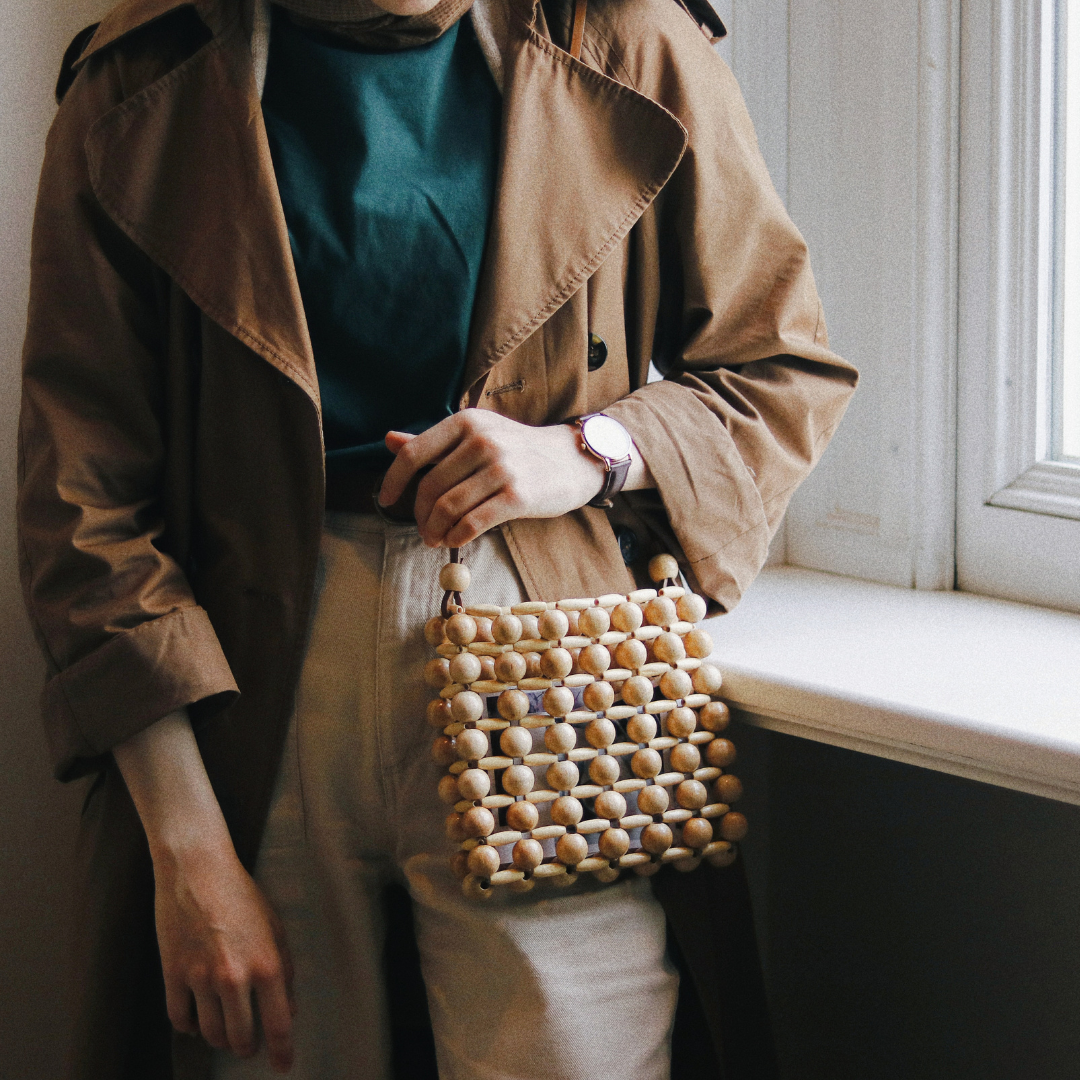
A trench coat is invaluable for transitioning between seasons, providing warmth without sacrificing style. Including high-quality denim is also vital, as it can be dressed up or down, making it suitable for various occasions.
Opting for garments made from eco-friendly materials, like organic cotton, ensures comfort and sustainability. This thoughtful selection of staples allows for numerous combinations while maintaining a simplified aesthetic.
Adopting Neutral Colour Palettes
Neutral colour palettes are fundamental in a minimalist fashion. Shades like beige, grey, black, and white serve as a canvas for various outfits.
These colours not only enhance versatility but also create a sense of calm and sophistication. By mixing and matching neutrals, it is easier to achieve a cohesive look that works for any setting.
Incorporating subtle textures or patterns can add interest without overwhelming the simplicity. This approach ensures that individual pieces remain timeless and relevant through changing trends.
Understanding Quality and Craftsmanship
Focusing on quality and craftsmanship is essential in a minimalist fashion. High-quality materials not only last longer but also maintain their appearance over time.
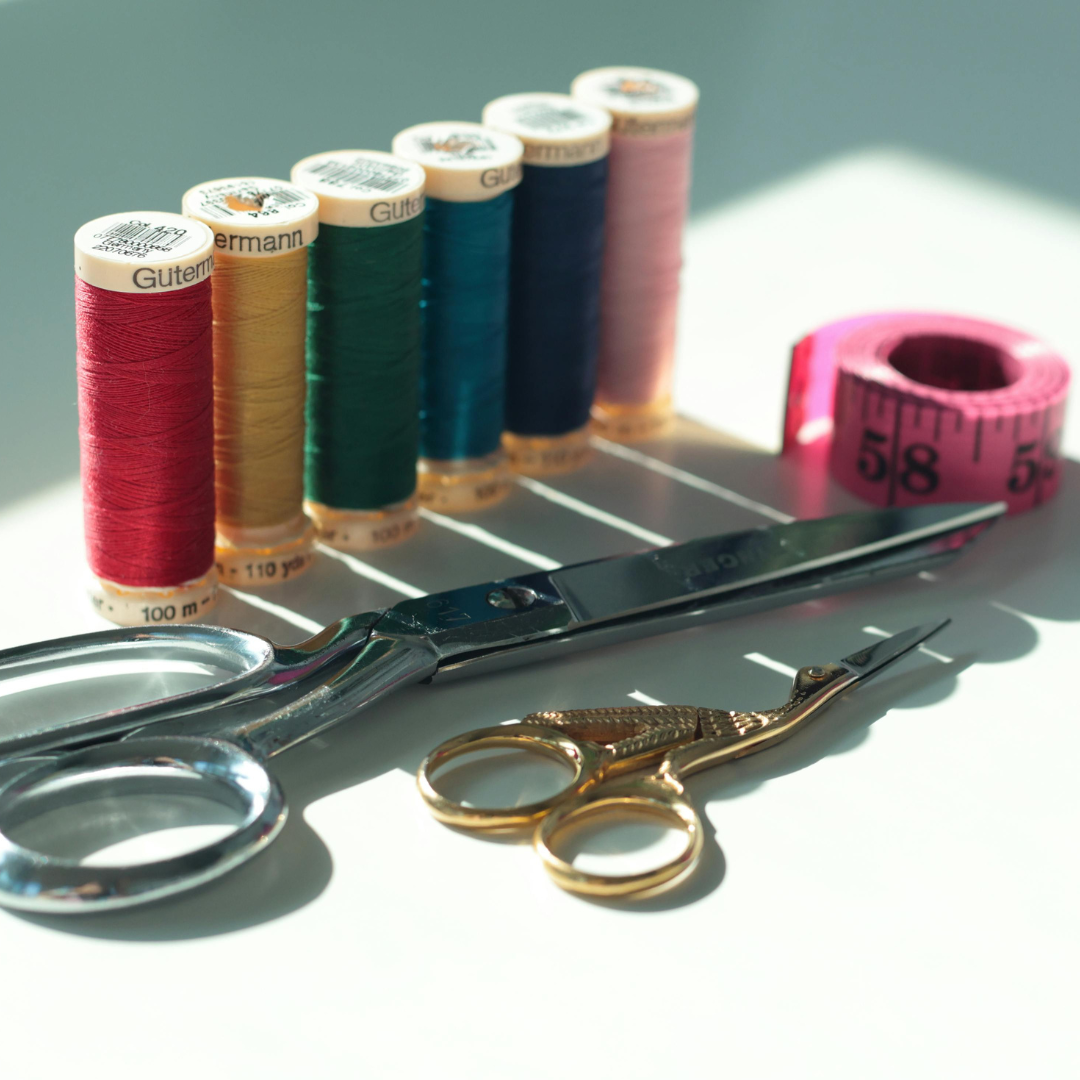
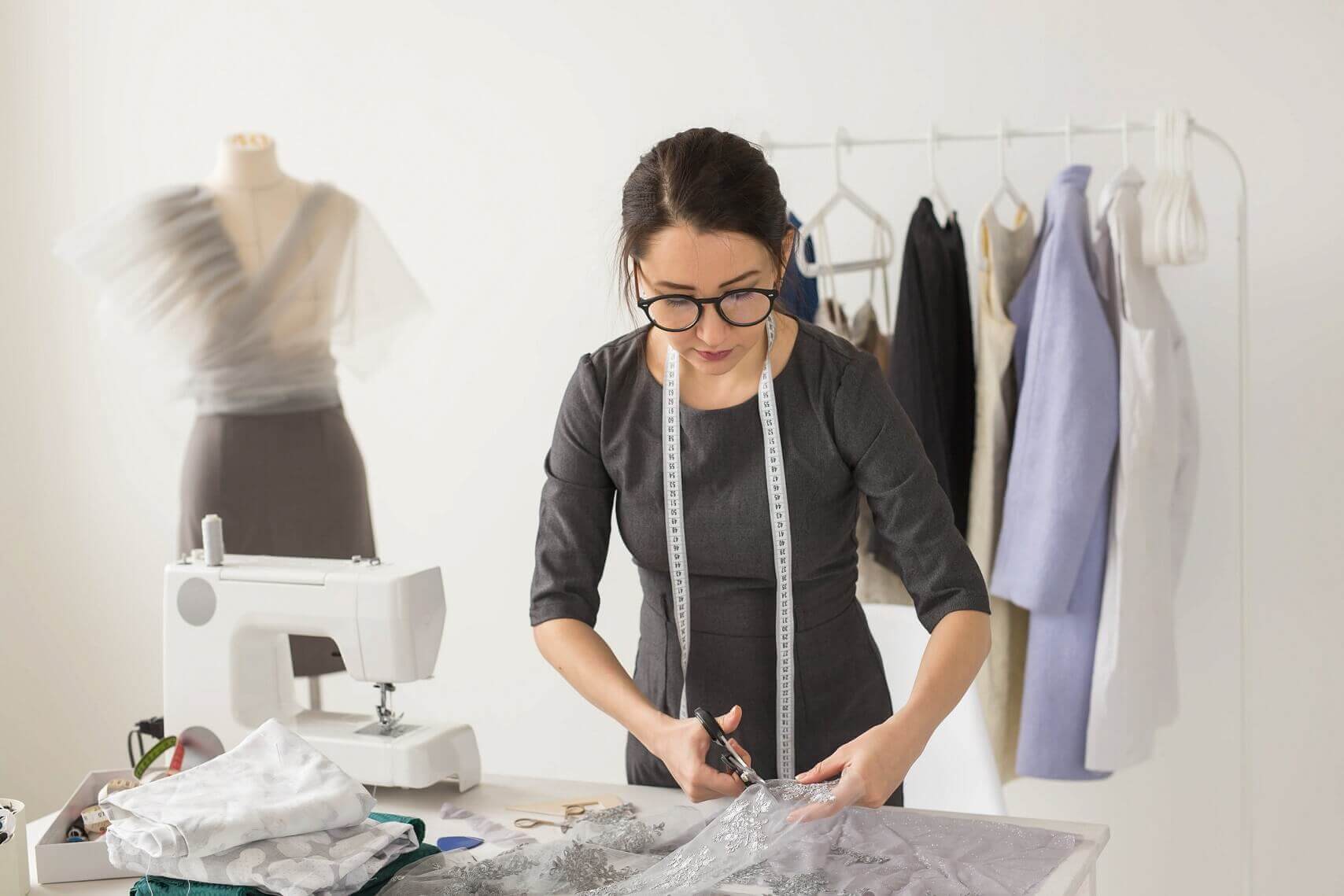
Investing in well-made garments reduces the need for frequent replacements, aligning with minimalist values. Look for items that feature meticulous stitching, durable fabrics, and thoughtful design.
Choosing brands committed to eco-friendly practices further enhances the wardrobe’s sustainability. This commitment to quality ensures that each piece contributes positively to the overall aesthetic and ethical statement of a minimalist wardrobe.
Incorporating Personal Style into Minimalism
Minimalist fashion allows for personal expression while embracing simplicity. By focusing on key pieces and mindful choices, individuals can incorporate elements of their unique style into a minimalist wardrobe.
Balancing Sophistication with Personal Flair
Maintaining sophistication in a minimalist wardrobe requires a thoughtful approach. Key elements like a well-fitted turtleneck or a cashmere sweater can serve as foundational pieces.
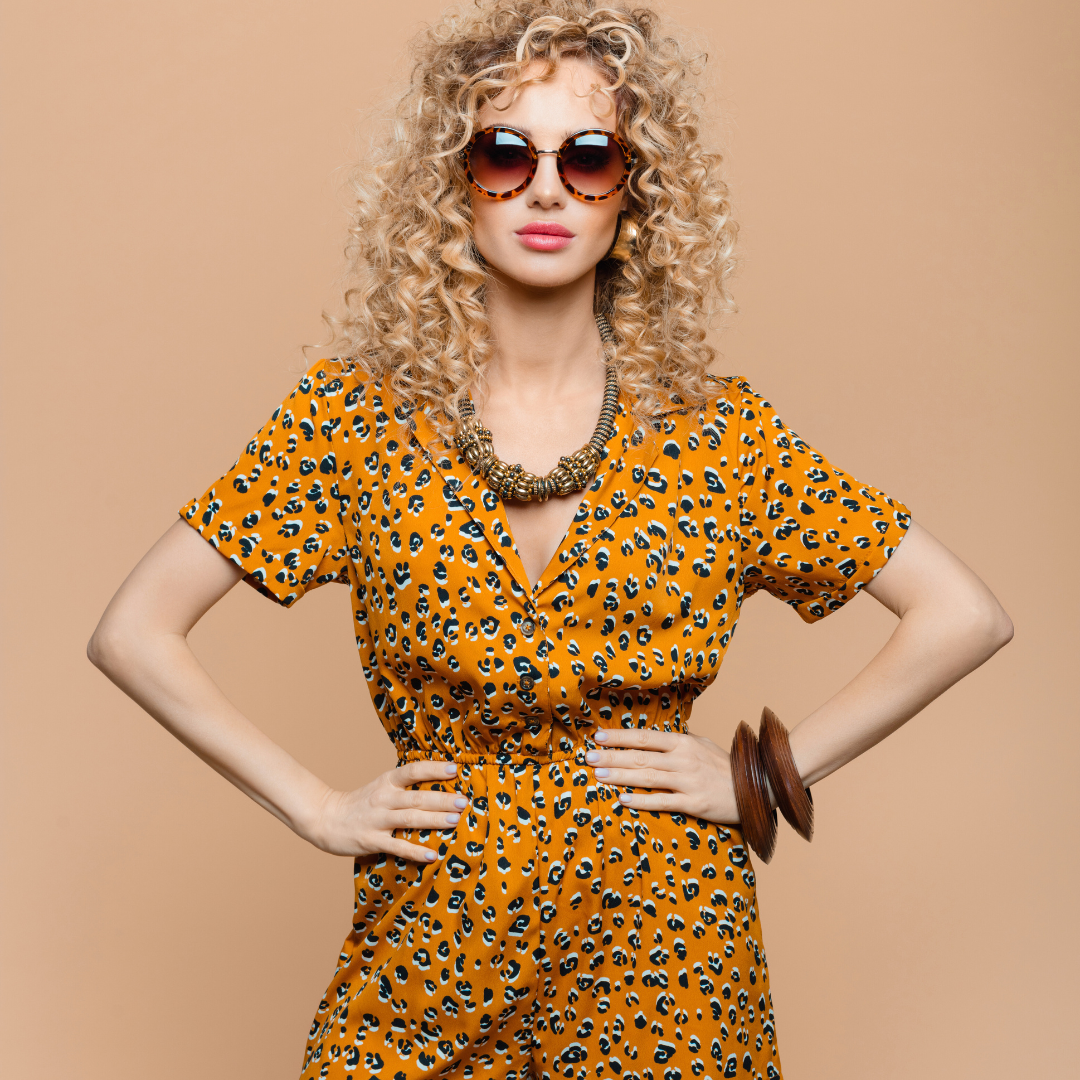
Combining timeless items with unique accessories allows for personal flair. For example, opting for tailored trousers paired with a distinctive belt or statement shoes can elevate an otherwise simple outfit.
This blending of classic and individual styles creates a refined look that doesn’t compromise on personal expression.
Minimalist Outfit Ideas
Minimalist outfits focus on quality over quantity. A chic combination could include a white button-up shirt, tailored trousers, and ankle boots.
In cooler weather, layering a cashmere sweater over the shirt adds warmth while boosting style. For casual outings, pairing a simple tee with high-waisted jeans keeps the look effortless yet polished.
When selecting outfits, choosing neutral colours can provide versatility. Incorporating textures, such as linen or wool, can add interest without cluttering the aesthetic.
Accessorising with Purpose
Accessories in minimalist fashion should carry intent. A structured handbag in a classic colour enhances an outfit without overwhelming it.
Jewellery should remain understated; opting for a pair of small hoop earrings or a slim watch keeps the focus on the overall look.
Shoes can also serve as a statement piece. Selecting a pair of unique flats or classic heels adds personality without detracting from the minimalist vibe.
Each accessory plays a role in achieving a cohesive and stylish appearance, reinforcing personal style within the minimalist framework.
Sustainability and Ethical Practices in Minimalist Fashion
Minimalist fashion emphasises simplicity, quality, and longevity, aligning well with the principles of sustainability and ethical practices. This approach reduces waste and promotes responsible consumption, making it increasingly relevant in today’s fashion landscape.
The Role of Sustainable Fashion
Sustainable fashion prioritises eco-friendly materials and ethical production practices. Brands often utilise sustainable fabrics, such as organic cotton, linen, and Tencel, which have a lower environmental impact compared to conventional materials.
Incorporating recycled materials is another common practice, helping to reduce waste in landfills. By focusing on quality over quantity, minimalist fashion encourages consumers to invest in timeless pieces that last longer, ultimately reducing their carbon footprint.
Furthermore, understated styles often convey a sense of quiet luxury, appreciating the craftsmanship behind each item. Emphasising sophistication, this approach also encourages a shift away from fast fashion, promoting a more mindful consumption pattern.
Choosing Ethical Minimalist Brands
When selecting minimalist brands, it is crucial to research their ethical practices. Many ethical brands are committed to fair trade principles, ensuring that workers receive fair compensation and work in safe conditions. This transparency contributes to a brand’s credibility and appeal.
Consumers should look for brands that openly acknowledge their environmental impact and demonstrate a commitment to sustainable practices. Certifications from organisations focusing on sustainability can serve as valuable indicators.
Minimalist brands often have a clear mission towards sustainability, embracing a more responsible approach to fashion. They typically offer collections that feature timeless designs and colours, helping to maintain a minimalist wardrobe that transcends seasonal trends.