
Mixing patterns in fashion can elevate a wardrobe and express personal style. To successfully mix patterns, one should focus on varying scales, balancing bold prints with subtle designs, and maintaining a cohesive colour palette. This approach ensures that the outfit remains visually appealing without becoming overwhelming.
Experimentation plays a key role in mastering this trend. Individuals often start by combining stripes with florals or plaids with polka dots, which can create a dynamic look when executed thoughtfully. Incorporating solid colours as a base can anchor the ensemble and make the patterns stand out.
Ultimately, confidence is crucial when mixing patterns. Wearing the combination with assurance allows others to appreciate the style choice. Embracing boldness and creativity can turn a standard outfit into a striking statement.
Understanding the Basics of Pattern Mixing
Pattern mixing adds visual interest to an outfit. It requires an understanding of colour palettes and selecting complementary patterns to achieve a balanced look.
The Role of Colour Palette in Combining Prints
A unified colour palette is crucial in mixing patterns effectively. Choosing a shared colour scheme helps connect different prints visually. For instance, pairing a bold floral print with a geometric pattern can work if both share common colours.
When selecting colours, consider complementary hues. These can enhance the overall composition of an outfit. For example, combining navy with shades of yellow creates a striking visual contrast.
Limited colour schemes also simplify mixing. Stick to two or three dominant colours to keep the outfit cohesive. Neutrals can serve as versatile backdrops, allowing bold patterns to take centre stage without clashing.
Selecting Complementary Patterns
Choosing the right patterns is essential in creating an appealing look. Mixing different styles, such as floral and geometric prints, can add depth and interest.
The size of the patterns matters. Pairing a large-scale floral print with smaller geometric motifs can create a dynamic yet harmonious balance. This contrast prevents the outfit from feeling overwhelming.
Consider texture alongside pattern. A smooth floral print might pair well with a textured striped fabric. The combination of pattern sizes and textures can elevate an outfit’s visual appeal, keeping it stylish and fresh.
Mastering Pattern Scale and Texture
Mixing patterns effectively requires an understanding of scale and texture. By considering the size of each pattern and how different textures interact, one can create visually appealing outfits that express personal style.
Balancing Different Pattern Sizes
When mixing patterns, size plays a crucial role. A good rule of thumb is to pair a larger pattern with a smaller one. For instance, combining bold geometric patterns with delicate floral prints creates visual interest without overwhelming the outfit.
Start by selecting a base pattern that is more prominent, ensuring it draws attention. Then, add in smaller patterns that complement the base. Use a mix of neutrals to balance the colours. For example, a large striped top can work well with a small polka-dot skirt, creating a cohesive look.
Avoid placing similar patterns together unless there is a notable difference in scale. Mixing two large prints can result in a confusing visual. Instead, aim for a dynamic, yet harmonious contrast.
The Interplay of Texture and Prints
Texture significantly influences the perception of patterns. Mixing prints is more effective when textures contrast, such as pairing a smooth fabric with a coarse texture. This creates depth and enhances the overall outfit.
For example, a floral dress in lightweight cotton can be beautifully complemented by a tweed jacket. The different fabrics add layers to the look, making it not only visually appealing but also interesting to touch.
Tailoring is important in this context. Well-fitted garments allow patterns and textures to shine. A structured blazer paired with a flowing blouse can highlight both fabrics.
It’s essential to keep in mind that one should not neglect texture; it can elevate an otherwise straightforward pattern combination.
Strategies for Pattern Pairing
Mixing patterns in fashion can elevate an outfit and showcase personal expression. Thoughtful combinations of classic and bold prints create visual interest while maintaining harmony.
Mixing Stripes, Checks, and Other Classic Patterns
Stripes, checks, and other classic patterns serve as a strong foundation for mixing. They are versatile and can easily pair with each other. For example, pairing a thin striped top with a larger plaid bottom can offer a balanced contrast.
When mixing, it’s essential to stick to a cohesive colour family. This approach ensures the patterns complement rather than clash. For instance, using navy stripes with blue and white gingham can create an effortless style.
Varying the scale of patterns enhances the look. Pair a small polka dot with a large houndstooth for a playful effect. Accessories like scarves or bags can also feature different patterns, adding depth to the ensemble.
Cohesively Incorporating Bold and Statement Prints
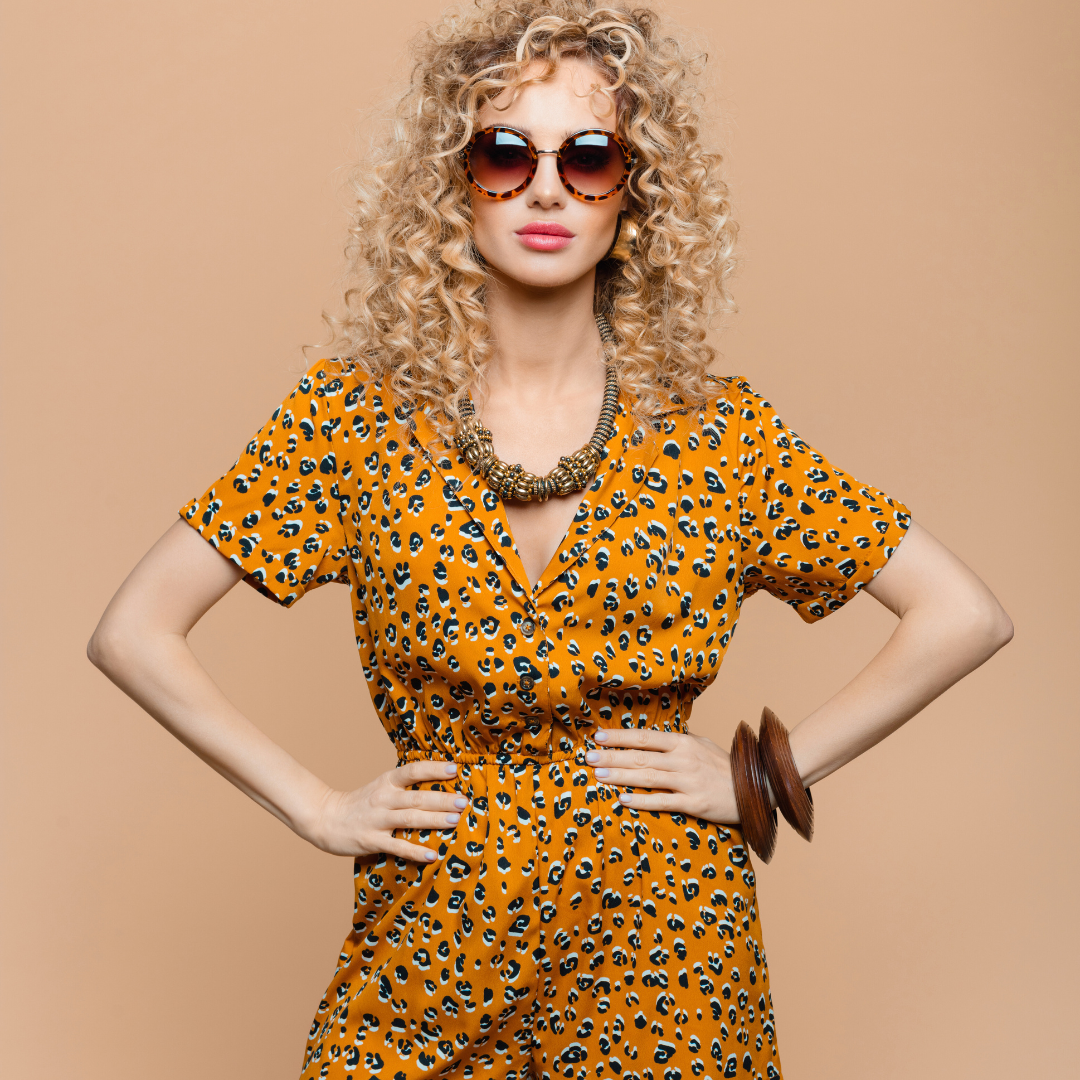
Bold prints like animal prints and paisley can make a fashion statement. They demand attention and can often overwhelm if not styled carefully. To incorporate them successfully, consider using them as accent pieces.
One effective method is to pair a bold print with a more subdued pattern. For example, a leopard print top can work well with a subtle striped skirt. Choosing prints that share a common colour helps tie the outfit together.
Layering can also play a crucial role. A geometric print jacket over a solid outfit can create a chic look. Mixing these bold styles allows for personal expression while maintaining a balanced appearance.