
Customising a denim jacket allows for personal expression and creativity, making it a popular choice for fashion enthusiasts. DIY denim jacket customization can transform a simple piece into a unique wardrobe staple that reflects individual style. By adding patches, embroidery, or paint, anyone can create a jacket that stands out.
The process of enhancing a jean jacket can be both enjoyable and cost-effective. From selecting the right materials to executing the design, each step offers an opportunity to showcase personality. Customisation also provides a sustainable way to refresh a garment, breathing new life into something that may not get much wear.
For those ready to take on a DIY project, a denim jacket is the perfect canvas. With endless possibilities for design, this endeavour not only revitalises clothing but also encourages the crafting spirit.
Essential Materials and Preparation
Before starting a DIY denim jacket customisation project, it is important to gather appropriate materials and prepare the jacket properly. This ensures a smoother creative process and satisfactory results.
Choosing Your Denim Jacket
Selecting the right denim jacket is crucial. An old denim jacket may be an ideal candidate, as it already bears a unique character. Look for a fit that is comfortable and versatile, as this will allow for easier layering with other clothing.
Consider the fabric’s weight; heavier denim can withstand more intense modifications. Choose a jacket with minimal embellishments for a blank canvas. Light-wash denim offers a different aesthetic once customised, while dark-wash can create a striking contrast with added designs.
Gathering DIY Tools and Materials
Essential tools and materials include:
- Sandpaper: For distressing the fabric and creating a worn look.
- Fabric paint: Perfect for adding designs and colour.
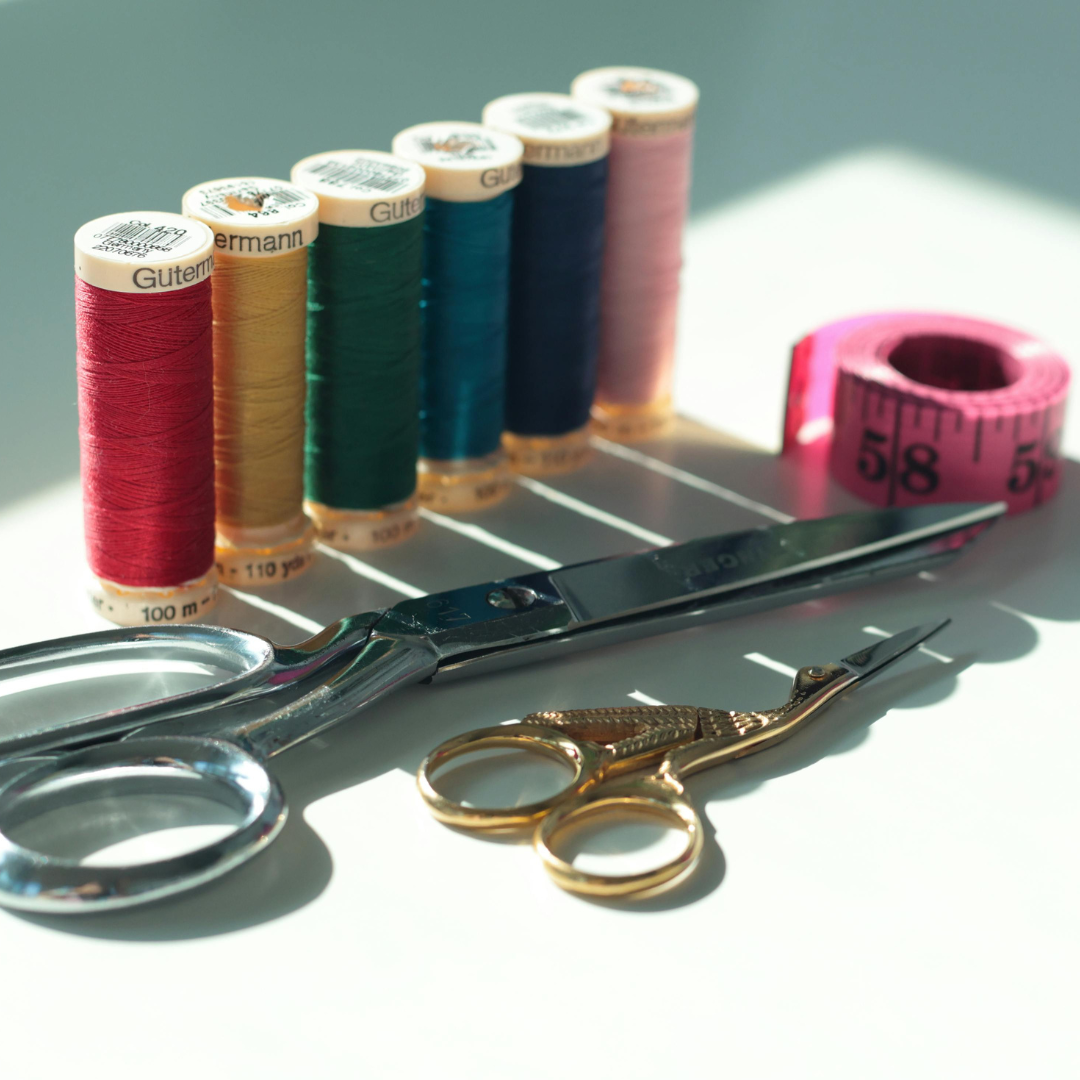
- Sewing kit: Ensure it includes needles and thread suitable for denim.
- Stencils and markers: Useful for designing patterns.
- Patches: They can enhance the jacket’s style and cover imperfections.
Having these tools at hand simplifies the process, allowing for creativity to flow. Organising them in advance can help avoid interruptions during the project.
Preparation for Customisation
Preparing the jacket involves several key steps. First, ensure it is clean by washing it to remove any dirt or oil. This helps the paint and other materials adhere better. Allow the jacket to dry completely before starting any work.
Next, consider turning the jacket inside out, particularly when using fabric paint. This protects the exterior from accidental splatters. If sanding or distressing the fabric, do this in a well-ventilated area to avoid inhaling dust.
Finally, sketch out design ideas on paper before transferring them to the jacket. This planning stage is essential for visualising the finished look, ensuring that the customisation aligns with their vision.
Techniques for DIY Denim Customisation
Numerous methods exist for personalising a denim jacket, each offering distinct styles and effects. Techniques like adding patches, distressing the fabric, embroidery, and using bleach can transform a simple garment into a unique piece of art.
Working with Patches
Adding patches is one of the simplest ways to customise a denim jacket. Patches can be sewn or ironed on, allowing for easy application.
Considerations:
- Choose patches that resonate with your personal style, such as vintage designs or ironic phrases.
- To achieve a professional look, she should layer different sizes and shapes.
Application tips:
- For sewn patches, secure them in place with pins before stitching.
- Iron-on patches require heat; use a cloth between the patch and iron to prevent damage.
Introduction to Distressing
Distressing denim creates a worn-in, lived-in look that adds character. This process can involve various techniques, such as sanding and using razor blades for fraying edges.
Tools Required:
- Sandpaper or a denim distressing tool.
- A blade for precise cuts.
Method:
- Start by marking areas of distress. Apply light pressure to gradually remove the fabric.
- For a natural effect, alternate between light and heavier distressing in different patches to avoid uniformity.
Embroidery on Denim
Embroidery can elevate a denim jacket to a new level. It allows for personal expression through patterns, text, or illustrations.
Materials & Tools:
- Embroidery thread in various colours.
- Needles and hoops to secure the fabric.
Process:
- Design a pattern on paper before transferring it to the jacket.
- For beginners, simple stitches like satin stitch or back stitch work well.
Tips:
- Plan the placement of the design carefully to balance with the jacket’s style.
- Mixing multiple thread colours can create depth and interest.
Bleaching for Effect
Bleaching is a popular technique for altering the colour of denim, allowing for unique patterns and styles.
Materials Needed:
- Household bleach diluted with water.
- Spray bottle or sponge for application.
Technique:
- Protect surrounding areas with plastic or old fabric.
- Test the bleach solution on a small, inconspicuous area first.
Application:
- Apply bleach in random patterns for an artistic effect, or create ombre designs by gradually increasing saturation.
Adding Fringe and Texture
Incorporating fringe or other textured elements can add visual interest to a denim jacket.
Fringe Options:
- Use cut strips of fabric or lace sewn along the hemlines or sleeves.
- Mesh fabric can also provide a layered effect when combined with denim.
Application Tips:
- Measure and cut the desired length of fringe before attaching.
- Ensure the fringe is securely sewn to withstand regular wear.
Through these techniques, individuals can create a customised denim jacket that showcases their unique style and creativity.
Design Ideas for Creative Expression
There are numerous ways to customise a denim jacket, allowing for personal style and creativity. These design ideas can transform a simple piece into a unique statement item.
Styling a Cropped Denim Jacket
Cropped denim jackets are versatile and trendy. They can be styled to enhance various outfits, from casual to chic. To achieve this look, one can simply trim the hem of a standard jacket or purchase a pre-cropped version.
Adding embellishments such as ripped edges, studs, or frayed details can elevate the design. Pairing it with high-waisted trousers or a midi skirt creates a balanced silhouette. Layering with a graphic tee underneath adds a playful element. This style not only highlights the waist but also emphasises personal creativity through customisation.
Making a Statement with Patchwork
Patchwork is a popular DIY technique that can add character to any denim jacket. This involves sewing various fabric pieces onto the jacket, which can incorporate colours, patterns, and textures.
Different materials, such as floral prints, corduroy, or even vintage fabric, can be used. A distinctive arrangement of patches can tell a story or convey a mood. It is essential to choose pieces that complement one another. Additionally, securing patches with a sewing machine ensures durability and a polished finish. This technique not only makes each jacket one-of-a-kind but also showcases the wearer’s creative flair.
Fashioning a Cut-Out Denim Vest
Transforming a denim jacket into a cut-out vest offers a bold statement. This involves removing the sleeves and carefully cutting sections to create unique shapes or patterns.
Before starting, it is important to plan the design. Popular choices include triangular cut-outs on the shoulders or a more intricate lace detail along the back. The edges can be left raw for a distressed look or hemmed for a neater finish. This style pairs well with sundresses or fitted tops, making it an excellent choice for warmer weather. The cut-out vest reflects individuality and can be further personalised with accessories like pins or beads.
Creating an Ombre Effect
The ombre technique is an eye-catching way to customise a denim jacket. This method involves gradual colour transitions, typically lighter at the top and darker at the hem.
To achieve this effect, fabric dye or bleach can be used. For a precise ombre, it is important to use a spray bottle to apply the dye evenly. Working in sections allows for better control of the fade. After dyeing, rinsing and washing the jacket ensures the colour sets properly. Pairing an ombre jacket with neutral clothing allows it to stand out as the focal point of an outfit. This technique is visually appealing and offers an artistic flair to denim wear.
Final Touches and Maintenance
Applying unique finishes can enhance a customised denim jacket, while proper care ensures longevity. This section discusses how to apply quilted appliqués effectively and offers essential maintenance tips for keeping the jacket looking fresh.
Applying Quilted Appliques
Quilted appliqués provide texture and can transform a standard jacket into a personalised piece. To apply an appliqué, carefully choose a design that complements the jacket’s style.
- Preparation: Ensure the jacket is clean and dry. Lay it flat, choosing the area where the appliqué will be placed.
- Stitching: Use a needle and thread or a sewing machine to attach the appliqué. A straight stitch or zigzag stitch works best.
- Ironing: If using heat-activated appliqués, follow manufacturer instructions. Typically, place a cloth over the appliqué and apply an iron for a few seconds to secure it.
Attention to detail during this process will lead to a professional-looking finish.
Care Instructions for Customised Jackets
Maintaining a customised denim jacket involves both cleaning and storage practices. Following these guidelines can help preserve both the denim and custom features.
- Washing: Turn the jacket inside out to protect the designs. Hand wash in cold water or use a gentle cycle on a washing machine. Avoid bleach to prevent fading.
- Drying: Air-dry the jacket to prevent shrinking. Avoid direct sunlight, which can discolour fabrics.
- Storage: Store the jacket in a cool, dry place. Use padded hangers to maintain the shape and avoid creases.
Taking these steps ensures that both the denim and any customised elements, like quilted appliqués, remain in top condition for any occasion.