
Embroidery adds a personalised touch to everyday clothing, making simple items feel unique and stylish. It doesn’t require advanced skills or expensive materials to start, so anyone can enhance their wardrobe effortlessly.
Easy embroidery ideas for everyday wear include small motifs like flowers, geometric shapes, or initials, which instantly refresh T-shirts, jeans, and jackets without overwhelming the look. These quick projects suit a variety of styles and can be done in minimal time.
By focusing on simple patterns and basic stitches, embroidery becomes an accessible way to customise outfits regularly. This approach offers a creative outlet while keeping clothes practical for daily use.
Fundamentals of Easy Embroidery for Everyday Wear
Embroidery for everyday garments requires a balance of practicality and simplicity. Key points include selecting the right tools, fabrics that suit daily use, and simple stitching techniques that ensure durability and ease.
Essential Tools and Materials
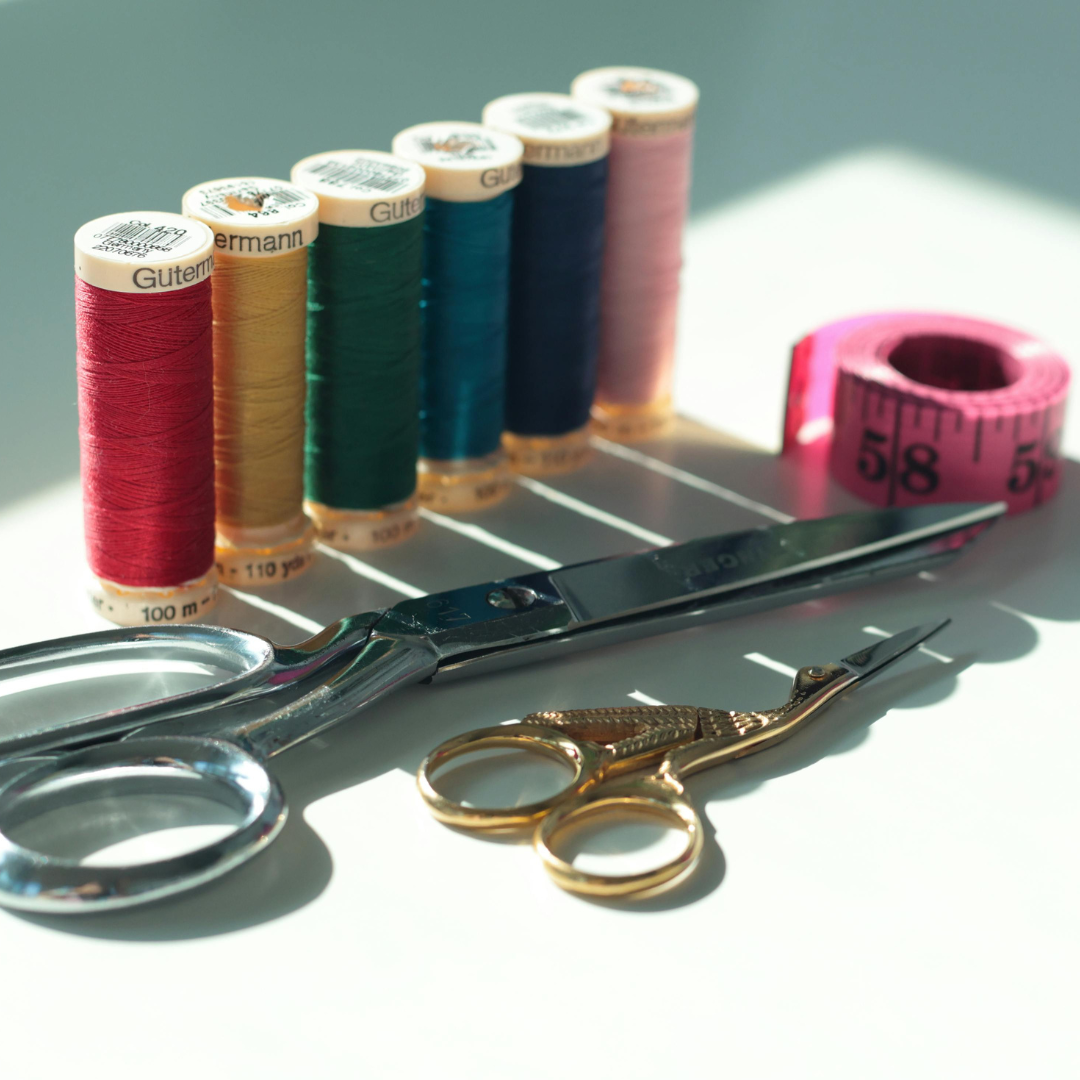
Basic tools include an embroidery hoop, needles, embroidery thread, and scissors. The hoop keeps fabric taut, preventing puckering. Needles should be chosen based on fabric type – larger needles for coarser materials and finer needles for delicate fabrics.
Embroidery thread is typically cotton floss, available in multiple strands. For everyday wear, two to three strands provide enough coverage without bulk. A small pair of sharp scissors ensures clean thread ends.
Extra tools like a water-soluble fabric pen and a small thimble might help beginners maintain precision during stitching.
Choosing Suitable Fabrics
Cotton, linen, and denim are excellent choices for everyday embroidery. These fabrics are durable and hold stitches well without excessive stretching. Lightweight synthetics can be tricky, as they may distort or tear under tension.
Avoid heavily patterned fabrics that compete with embroidery. Solid colours or subtle textures are ideal for making the design stand out.
For items that require frequent washing, pre-wash the fabric to prevent shrinking. A tight weave fabric also gives cleaner stitch results, making the embroidery last longer on clothing.
Selecting Simple Embroidery Stitches
Basic stitches such as the running stitch, backstitch, and satin stitch provide sufficient variety for simple designs. They are easy to learn and ideal for outlining and filling small areas.
The backstitch creates a solid line, perfect for lettering or borders. The satin stitch covers sections with smooth, flat threads, enhancing colour blocks.
Using these simple stitches reduces time spent while keeping the embroidery neat and suitable for everyday wear. Mastery of these stitches forms the foundation for adding detail without complexity.
Design Inspiration and Pattern Selection
Selecting the right design and pattern is essential for creating embroidery that complements everyday wear. Inspiration can come from many sources, and adapting patterns to suit clothing makes a sewing project more personalised and wearable. Using free or printable designs also offers flexibility without added cost.
Sources of Everyday Embroidery Inspiration
Every day, embroidery inspiration often comes from nature, geometry, and cultural motifs. Simple shapes like leaves, flowers, and abstract lines suit casual clothing because they are easy to embroider and visually appealing. Urban elements such as street art or typography also provide modern ideas.
Looking at magazines, Pinterest, and Instagram can spark ideas that fit various styles. Vintage embroidery designs found in old sewing books or family heirlooms offer timeless inspiration suitable for classic wear. Observing colours and textures in fabrics around the home can influence pattern choice as well.
Adapting Embroidery Patterns for Clothing
When selecting embroidery patterns for clothing, size and placement are critical. Large motifs suit jackets or feature backs, whereas smaller motifs enhance collars, cuffs, or pockets without overwhelming the garment. Patterns should balance with the fabric’s texture and colour.
It is important to choose patterns that work well with the type of fabric used in the sewing project. Lightweight fabrics require delicate stitches, while heavier fabrics can support bolder designs. Scaling patterns up or down helps achieve the desired effect. Testing stitches on fabric scraps ensures the pattern fits well before starting on the garment.
Personalising with Free and Printable Designs
Free and printable embroidery patterns provide accessible design options without cost. Many websites offer downloadable PDFs featuring a range of styles from minimalist to intricate. These can be printed to scale and traced onto fabric for convenience.
Personalising these designs often means modifying colours, combining multiple patterns, or adjusting size. Using software tools or simple hand alterations helps make the pattern unique. Free designs are particularly useful for beginners or those wanting to experiment without committing to expensive kits.
Embroidery Techniques for Clothing
Embroidery on everyday clothing requires attention to fabric type, stitch choice, and support tools like hoops. Proper preparation and technique ensure the design remains durable and comfortable for regular wear.
Hand Embroidery on Shirts and Blouses
Hand embroidery on shirts and blouses often involves lightweight fabrics such as cotton or linen. Using an embroidery hoop is essential to keep the fabric taut, preventing puckering during stitching.
Basic stitches like the backstitch, chain stitch, and satin stitch work well on these fabrics for clean, defined details. Thin embroidery floss is preferred to avoid bulk. It’s important to stabilise the garment with a backing material to enhance durability without altering the shirt’s drape.
Designs can be placed along collars, cuffs, or near buttons for a subtle impact. Taking care to avoid holes or stretching keeps the shirt wearable after multiple washes.
Embroidering Skirts and Trousers
Skirts and trousers often use thicker or stretch fabrics, which influence stitch choice and embroidery methods. A sturdy embroidery hoop combined with an embroidery stabiliser helps maintain fabric shape.
Simple geometric or floral patterns complement heavier weaves without overwhelming the garment. Strong stitches like the stem stitch or split stitch provide texture and hold up well on areas subject to movement.
When working on trousers, embroidery near seams or pockets adds decorative interest but requires reinforcing the fabric to resist wear. Avoid dense stitching that might reduce garment flexibility, especially on tight-fitting pieces.
Tips for Stretch and Delicate Fabrics
Stretch and delicate fabrics, such as jersey or chiffon, present challenges because they move and can be easily damaged during embroidery. Using a water-soluble stabiliser on the wrong side prevents fabric distortion.
Lightweight threads, such as silk or fine cotton, should be used to minimise tension. Hand stitching with small, short stitches preserves stretch and reduces fabric stress.
Avoid overly tight hooping; instead, use a no-hoop method or frame the fabric loosely if needed. Test stitching on scraps is crucial before starting the main sewing project to ensure the design behaves well.
Visible Mending and Decorative Stitching
Visible mending transforms worn or damaged clothing into unique pieces using embroidery. Techniques include patching holes with contrasting fabric and embellishing them with decorative stitching.
This method combines functionality with aesthetics, using stitches like running stitch, herringbone, or darning stitch to secure patches while adding patterns. Brightly coloured threads enhance visibility, emphasising repairs as a design feature.
Incorporating an embroidery hoop during mending keeps the fabric stable and makes stitching easier. Visible mending suits various clothing types and encourages sustainability through garment repair.
Practical Tips for Everyday Embroidered Wear
Embroidered clothing requires specific care and styling to maintain its appearance and practicality. Choosing the right garments and managing time effectively can make embroidery a seamless addition to daily wardrobes.
Caring for Embroidered Garments
Embroidered pieces need gentle handling to avoid damage to the stitching. Washing by hand in cold water with mild detergent preserves the embroidery thread and fabric.
If machine washing, placing garments inside a mesh laundry bag on a delicate cycle is advisable. Avoid bleach and harsh chemicals that can weaken threads.
Ironing should be done on the reverse side using a low heat setting. It prevents flattening or burning the threads. Store embroidery in a cool, dry place to prevent colour fading and mildew growth.
Integrating Embroidery into Your Wardrobe
To add embroidery effortlessly, select garments with small or subtle designs. Embroidered collars, cuffs, or pockets can enhance everyday wear without overwhelming the outfit.
Mix and match embroidered items with plain clothing to balance visual interest. Neutral base colours paired with bright embroidery threads create versatile looks.
They can also use embroidery to personalise accessories like bags or scarves, adding functional style. Choosing simple, washable fabrics for embroidery ensures the pieces remain practical for daily use.
Time-Saving Strategies for Beginners
Keeping embroidery projects simple reduces time without compromising quality. Using basic stitches and limiting colour changes can speed up the sewing project.
Pre-threaded needles or embroidery floss organisers help avoid interruptions. Setting short, focused sessions builds skill without causing frustration.
Finished embroidery can be sewn onto existing garments rather than starting new pieces. This strategy cuts down on overall time and effort, encouraging regular use of embroidered items.