
Many people struggle to create outfits that work across different seasons without cluttering their wardrobe. The key lies in selecting versatile pieces that can be layered or adapted to varying weather conditions. By focusing on flexible items and smart layering techniques, anyone can build outfits that transition effortlessly from one season to the next.
This approach saves both time and money, while maximising the use of each garment. It involves understanding fabrics, colours, and basic styling principles that allow a look to be adjusted with minimal effort.
Mastering seasonal versatility means thinking strategically about each item’s role in an outfit and how it interacts with other pieces. This article explores practical tips to help style outfits that are ready for any season.
Core Principles of Seasonal Versatility in Outfit Styling
Seasonal versatility in clothing relies on smart layering, fabric choice, and adaptable pieces that work across temperatures and environments. Achieving this requires balancing style with function while selecting garments that transition seamlessly through changing weather and occasions.
Understanding Transitional Styling
Transitional styling means preparing outfits that can adjust to fluctuating temperatures and unpredictable weather. It often involves layering, allowing the wearer to add or remove items like jackets, cardigans, or scarves throughout the day.
Fabric choice is critical. Lightweight but insulating materials such as merino wool or cotton blends provide breathability and warmth without bulk. Colours also play a role; neutrals and midtones are easier to mix and match across seasons.
She or he should consider accessories like hats and gloves for colder moments and sunglasses or hats for sunnier days. The goal is to maintain comfort while preserving a polished look, no matter the season.
Balancing Fashion and Practicality
Fashion must align with practicality to create truly versatile outfits. Selecting pieces that look stylish but serve functional purposes ensures longer use and adaptability.
He or she might favour waterproof fabrics during wetter months or choose wrinkle-resistant items to maintain appearance throughout busy days. Styles that are neither too formal nor too casual provide flexibility, fitting various occasions.
Footwear is a prime example: choosing boots with good grip that also appeal aesthetically can handle rain and sunshine without needing swaps. Practical elements do not have to compromise the outfit’s overall fashion value.
Maximising Versatile Pieces
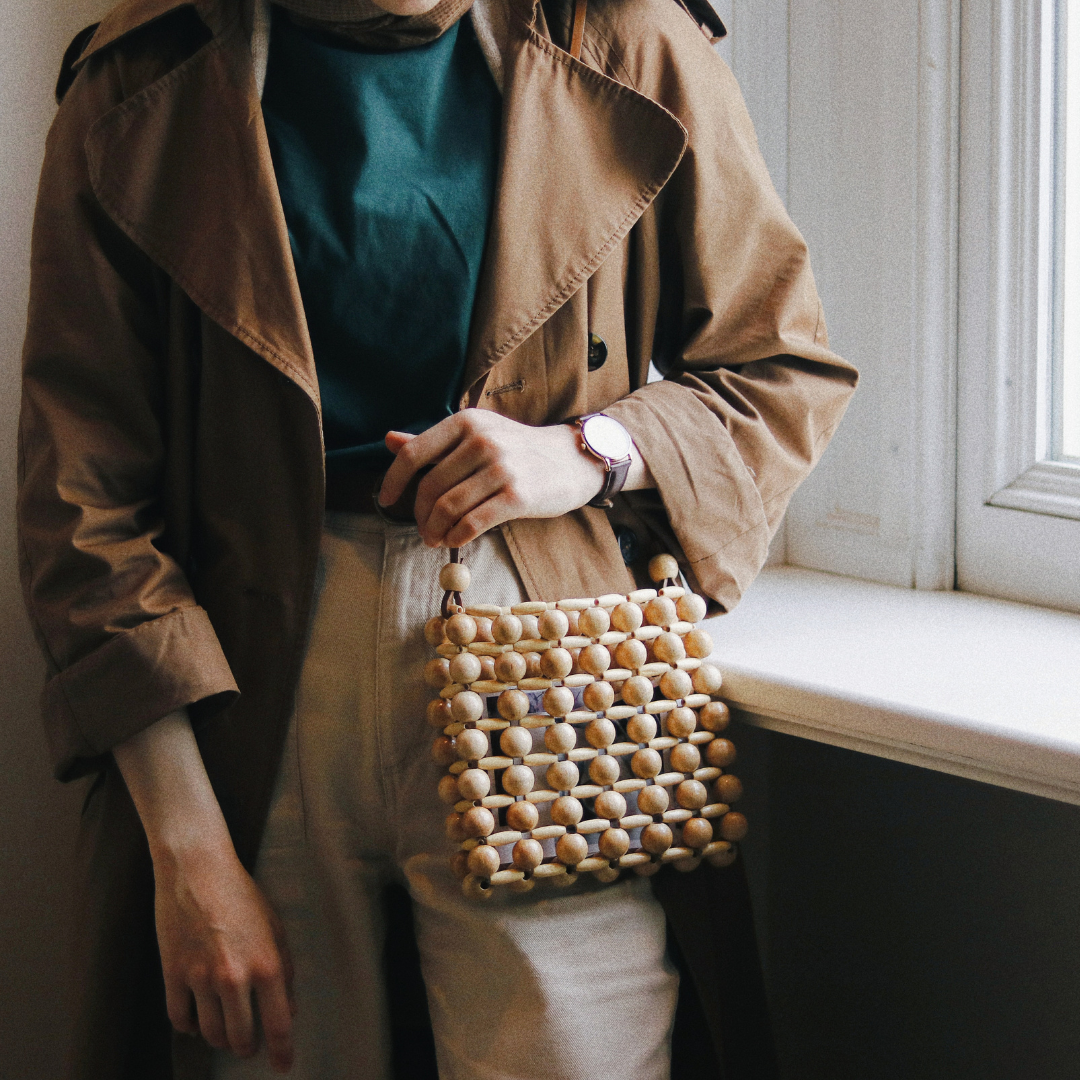
Investing in versatile pieces is key. Items like classic trench coats, tailored blazers, or simple knit tops can be dressed up or down as seasons change.
A capsule wardrobe approach helps here; focusing on quality basics that combine well reduces clutter and increases outfit options. For example, a white shirt can pair with shorts in summer or layers under sweaters in cooler months.
Colours and patterns should be selected for easy coordination. She or he should look for garments with neutral palettes and clean lines, as these enhance mix-and-match potential for maximum seasonal versatility.
Building a Year-Round Wardrobe
A wardrobe designed for year-round use focuses on adaptable pieces, smart layering, and a cohesive colour scheme. Prioritising these aspects maximises versatility while ensuring each item remains functional through changing seasons.
Essentials for All Seasons
Key wardrobe staples include classic white shirts, black trousers, and well-fitted denim. These pieces serve as a neutral base, easily styled for both warmer and cooler months.
Footwear like loafers and ankle boots covers a range of temperatures without sacrificing style. Investing in versatile outerwear, such as a lightweight trench coat, provides weather adaptability.
Accessories like scarves and belts can transition outfits between seasons. Choosing items with neutral colours and simple designs ensures they complement a variety of looks.
Layering Techniques for Seasonal Adaptation
Layering is essential for extending the usability of clothing items year-round. Combining lightweight knits over shirts or under blazers allows for warmth without bulk.
In colder months, adding thermal underlayers or chunky sweaters helps retain heat. For summer, shedding layers or using breathable fabrics prevents discomfort.
Mixing textures such as cotton, wool, and silk adds interest while adjusting to temperature shifts. Strategic layering also enables smooth transitions from daywear to eveningwear.
Choosing Timeless Colours and Fabrics
Neutral tones like black, navy, white, and grey form a strong foundation for a versatile wardrobe. These colours work well together and suit different seasons.
Natural fabrics like cotton, wool, and linen offer durability and comfort in varying temperatures. Wool provides insulation in winter, while linen keeps outfits light and cool in summer.
Avoid overly trendy patterns or colours to maintain longevity in style and reduce the need for constant wardrobe updates. A black blazer or coat is an investment piece that fits this philosophy perfectly.
Adapting Outfit Components by Season
Adjusting clothing items for changing temperatures and weather conditions is essential for maintaining both style and practicality. Each season demands specific fabric choices, layering techniques, and accessory use to ensure outfits remain functional and fashionable.
Spring and Summer Styling Strategies
Lightweight fabrics such as linen, cotton, and chambray are ideal for keeping cool during warmer months. Colours often shift toward pastels and brighter hues to complement natural light and the season’s mood.
Breathable pieces like loose shirts, dresses, and shorts support comfort throughout hot days. Sun protection is important, so wide-brimmed hats and UV-blocking sunglasses are practical while enhancing style.
Incorporating sandals or lightweight sneakers ensures ease of movement and breathability. Layering remains minimal; a lightweight cardigan or denim jacket can cover chillier mornings or evenings without adding bulk.
Autumn and Winter Adaptations
Heavier fabrics such as wool, suede, and thick cotton provide warmth and structure in colder months. Colours typically move to earth tones, deep blues, and greys to align with the seasonal atmosphere.
Layering becomes central to comfort and style, including base layers like thermal tops, mid layers like sweaters, and outer layers such as tailored coats or waterproof jackets. This approach ensures adaptability to fluctuating temperatures.
Footwear shifts towards insulated boots or weatherproof shoes that combine protection with polished looks. Practical accessories like scarves, gloves, and hats are key for warmth while contributing texture and depth to outfits.
Integrating Statement Accessories
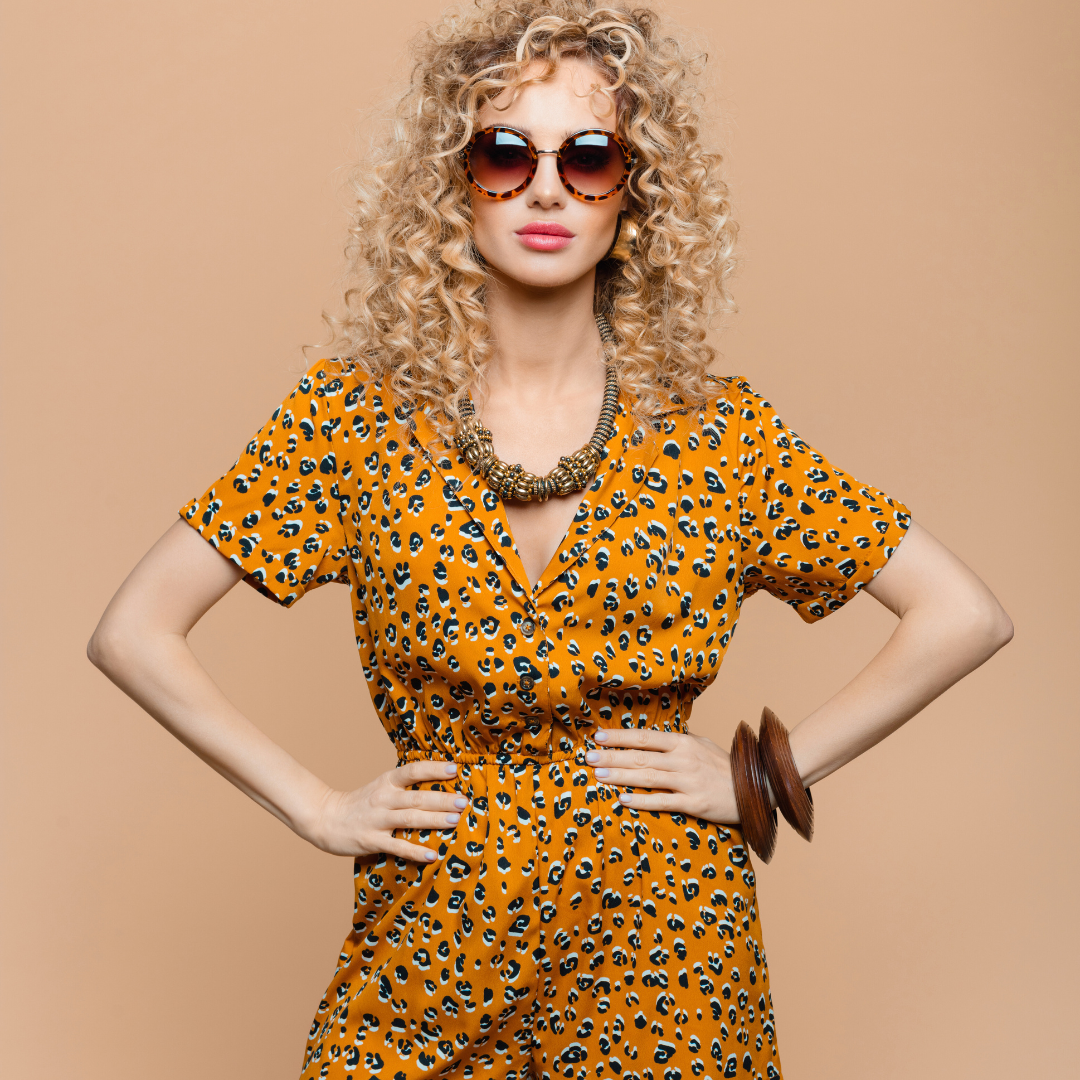
Statement accessories serve as focal points that enhance seasonal outfits without sacrificing practicality. In warmer weather, bold necklaces, lightweight scarves, and colourful belts add interest without extra heat.
During colder seasons, textured or oversized accessories such as chunky scarves, leather gloves, and wide hats contribute both style and necessary protection. Metallic finishes or unique shapes draw attention while complementing outfit layers.
Selecting accessories with versatility supports multiple looks across seasons. Neutral tones or classic designs ensure pieces blend well, while seasonal adjustments in materials—such as swapping silk for wool—maintain relevance to weather conditions.
Personalising Your Style for Maximum Versatility
Creating a wardrobe that adapts to different seasons requires attention to colour, organisation, and fit. Each element plays a key role in enhancing the versatility of outfits while reflecting individual preferences and body shape.
Incorporating Your Ideal Colours
Choosing colours that complement skin tone and personal taste will make mixing and matching easier throughout the year. Neutral shades such as black, grey, navy, and beige serve as a reliable base for versatile outfits.
Tips to incorporate ideal colours:
- Use black as a foundation; it is timeless and adjusts well to any season or setting.
- Add accent colours in muted tones like olive or burgundy for autumn and brighter shades like pastel blue or soft pink for spring and summer.
- Ensure your colour palette works together; this limits excessive pieces and maximises outfit combinations.
Organising Outfits for Easy Seasonal Rotation
Efficient organisation enables swift outfit selection as seasons change, reducing decision fatigue. Group clothing by weight and layerability rather than only by season to increase adaptability.
Use storage solutions such as labelled boxes or drawers for:
- Lightweight tops that can work under cardigans or jackets.
- Core items like black trousers or denim are suitable all year round.
- Seasonal accessories like scarves or hats are organised separately but easily accessible.
Styling Tips for Different Body Types
Understanding body shape helps to choose styles that enhance comfort and appearance while allowing reuse across seasons. Versatile pieces should suit a variety of fits and silhouettes.
Key considerations include:
- For pear shapes, structured tops like blazers in black offer balance while allowing a mix with lighter skirts or trousers.
- Rectangular figures benefit from layered looks, such as fitted vests over shirts, creating dimension for all seasons.
- Hourglass shapes should invest in classic cuts that define the waist and translate well from warmer to cooler months by adding or removing layers.