
Distressing denim at home can transform ordinary jeans or jackets into unique, stylish pieces without spending a lot. The key is using simple tools like sandpaper, scissors, and a washing machine to carefully wear down fabric areas while maintaining control over the final look.
By targeting specific spots such as knees, pockets, or hems, anyone can achieve an authentic distressed effect that looks intentional rather than accidental. Knowing the right techniques helps avoid weakening the denim too much, preserving both style and durability.
This guide breaks down effective, easy-to-follow steps to help readers create professionally distressed denim using everyday items found at home.
Essential Tools And Materials For Distressing Denim
Distressing denim requires attention to the fabric type, the condition of the jeans, and the tools used. Knowing how to select the right jeans and suitable equipment will ensure precision and a controlled result.
Choosing The Right Pair Of Jeans
Selecting jeans that fit well and suit the style of distressing planned is crucial. Thicker denim can withstand more aggressive distressing, like cutting and sanding, without tearing excessively. Lightweight denim offers subtle fading but might rip too easily if overworked.
The colour and wash matter. Dark indigo jeans show contrast better after distressing, while lighter washes reveal fraying and fading in softer tones. Avoid jeans with excessive stretch fabric (like elastane content over 2-3%) because they can distort or lose shape during the distressing process.
Selecting Suitable Tools For Distressing
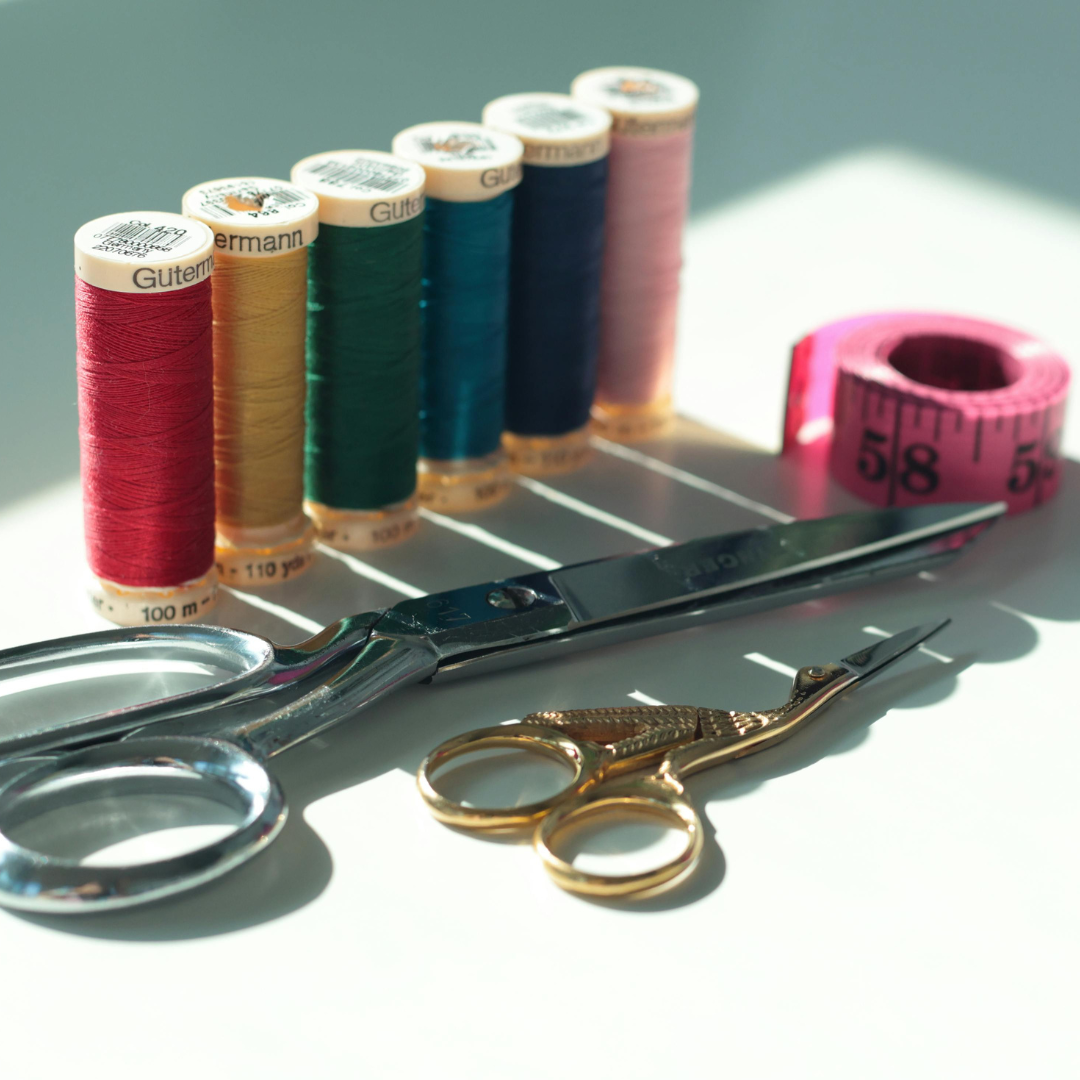
Common tools include sandpaper (medium to coarse grit), utility knives, scissors, tweezers, and wire brushes. Sandpaper is ideal for creating faded areas and a worn texture, especially on seams and knees.
Utility knives and scissors are used for precise cuts or holes, but require careful handling to avoid overly large or uneven tears. Tweezers help pull threads to create frayed edges. A wire brush can roughen the fabric surface subtly. Using a small sewing needle to pick threads can enhance a natural, distressed look.
Understanding Denim Fabric Types
Denim ranges from rigid to stretch types, and the fabric blend affects distressing results. 100% cotton denim tears predictably and develops frayed edges best. Blends with synthetic fibres like polyester or elastane tend to resist fraying and sometimes show a cleaner tear.
Indigo-dyed denim is often rope-dyed, yielding a white inner core when torn, essential for authentic-looking rips and worn patches. Pre-washed or sanforised denim is softer and less prone to shrinkage, but might produce less contrast when distressed.
Knowing the fabric’s weave tightness also guides the tool choice, as looser weaves fray faster and tightly woven denim requires more effort to distress.
Expert Techniques To Distress Denim At Home
Distressing denim requires careful planning and precise techniques to achieve professional-looking results. Knowing where to place wear, how to apply authentic ageing methods, and creating rips safely are essential to avoid damaging the fabric beyond repair.
Marking Areas For Distressing
The first step is identifying natural wear spots on denim jeans, such as the knees, thighs, pockets, and hems. These areas typically experience the most friction and should be marked lightly with chalk or a fabric pencil.
It helps to lay the jeans flat and try them on to see how the fabric creases during movement. Marking the areas precisely ensures distress looks intentional, not random. Avoid marking large areas to keep the effect subtle and realistic.
Hand Sanding Methods For Authentic Wear
Hand sanding mimics natural fraying by gently breaking down fibres in high-wear zones. Use fine to medium grit sandpaper and move with the fabric grain to prevent holes from forming too quickly.
Apply consistent pressure and sand gradually, checking frequently. Concentrate sanding on the edges of pockets, knee creases, and thighs for a worn look. After sanding, brushing away loose fibres enhances authenticity and prevents uneven rough spots.
Creating Rips And Holes Safely
To create holes, start by using a small pair of scissors or a seam ripper to make horizontal slits along marked spots. Avoid cutting too deep initially—slowly widen the holes with sandpaper or fingers.
Use tweezers to pull out vertical threads inside the hole to expose the white threads beneath. This step gives rips a natural frayed appearance while keeping the denim structure intact. Reinforce edges by sewing if you want to prevent over-fraying.
Customising The Finish For A Professional Look
Achieving a professional finish on distressed denim requires precise control over colour, texture, and fabric wear. Attention to fading, fraying, and fabric treatment transforms basic denim into a stylish, custom piece.
Fading And Colour Alteration Techniques
To fade denim effectively, using sandpaper or pumice stones on high-friction areas like thighs and knees mimics natural wear. Applying light pressure ensures gradual fading without damaging the fabric’s integrity.
Spray bottles with diluted fabric bleach can alter colour subtly. It’s important to test on a small area first to gauge the effect and avoid over-bleaching. For controlled results, spray bleach in patches and let it sit briefly before rinsing thoroughly.
Heat also plays a role; after applying bleach or wear, tumble drying the denim can deepen the aged look. Combining these techniques allows for customised colour gradients and authentic fabric ageing.
Fraying Edges And Hemming For Style
Fraying the edges of denim gives an unfinished but stylish appearance. To create this, cutting the hems and pockets roughly, followed by brushing the edges with a wire brush, will loosen fibres effectively.
For a cleaner finish, hand-sew a simple hem a centimetre above the fray to prevent excessive unravelling. This balances ruggedness with durability, ensuring the denim lasts longer without losing its distressed charm.
Using tweezers to pull individual threads near cut edges creates a natural fringe. Regular maintenance with a fabric shaver can remove loose fibres that may look untidy over time.
Using Washing And Bleaching Methods
Washing denim frequently softens the fabric and sets the worn-in look. Cold water washes minimise shrinkage while preserving colour, especially if the denim has been custom faded or bleached.
Adding a half cup of white vinegar to the wash helps fix colour and reduce dye bleeding. Avoid using harsh detergents that strip the fabric of essential oils, which maintain softness and flexibility.
Bleaching must be controlled; soaking denim in a diluted bleach solution for 15 minutes can create dramatic light spots, but risks fabric weakening. Always neutralise bleach with water and mild detergent after treatment to preserve the fabric’s strength.
Aftercare And Styling Tips For Distressed Denim
Maintaining the look and structure of distressed denim requires careful handling and intentional styling. Proper aftercare extends the life of the jeans, while thoughtful outfit choices showcase the distressed elements effectively.
Preserving The Longevity Of Distressed Jeans
Washing distressed denim sparingly is essential. Frequent washing accelerates fraying and weakens fabric around rips. When needed, turn jeans inside out and wash them in cold water on a gentle cycle.
Air drying is preferable to machine drying to avoid additional stress on the fabric. If using a dryer, opt for the lowest heat setting. Patches or fabric glue can reinforce large tears before washing.
Avoid harsh detergents or bleach, as these can break down denim fibres more quickly. Spot cleaning stains rather than full washes can also help maintain the distressed detailing.
Incorporating Distressed Denim Into Outfits
Distressed jeans pair well with minimalist tops to balance the look. Solid colours or plain shirts keep the focus on the jeans’ texture without creating visual clutter.
For a casual style, combine distressed denim with sneakers or ankle boots. For a smarter edge, layering with a tailored blazer and clean trainers works well.
Selecting accessories like belts or bags in neutral tones complements the worn style without overwhelming it. Styled carefully, distressed denim can fit in various settings, from relaxed weekends to semi-formal events.