
Customising old jeans with a modern twist is a practical way to refresh a wardrobe without buying new clothes. The key is to combine classic techniques like distressing and patchwork with current trends such as asymmetrical cuts, paint splatters, or unique embroidery. This method transforms worn denim into stylish, personalised pieces.
Many people overlook the potential of their old jeans, but with simple tools and creativity, they can create looks that feel both contemporary and unique. Whether it’s adding unexpected details or altering the fit, these updates make vintage denim relevant for today’s fashion.
This approach is not only economical but also sustainable, giving jeans a second life while keeping style fresh. Anyone interested in modernising their denim will find easy ideas and practical tips to try immediately.
Modern Methods for Customising Old Jeans
Modern customisation techniques for old jeans blend creativity with practical skills, focusing on refreshing denim aesthetics and textures. These methods include innovative ways of reimagining fabric use, adding personal style through embellishments, and integrating unique fabric combinations.
Creative Upcycling and Repurposing Techniques
Upcycling transforms old jeans into new, fashionable items without wasting material. One popular method is turning jeans into shorts with raw, frayed edges for a casual summer look. Another approach is converting denim into bags or skirts by rearranging panels and reinforcing seams to maintain durability.
Techniques such as fabric bleaching or dyeing can alter colour, giving life to faded denim. Stretch panels or inserts can be added to women’s jeans for both comfort and style, reflecting current trends in functional fashion.
Adding Unique Embellishments and Textures
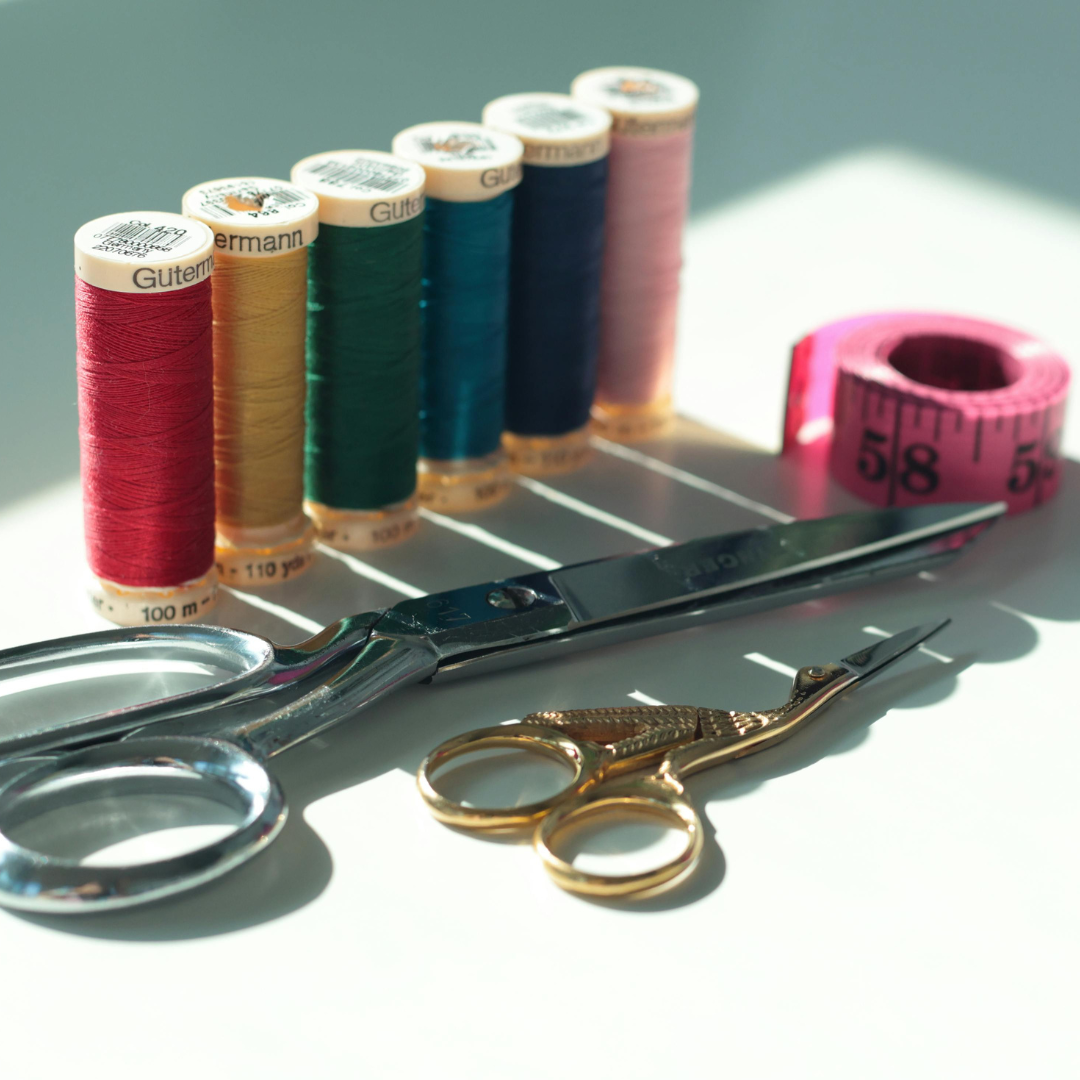
Adding embellishments like embroidery, studs, or rhinestones updates the jeans with a personalised flair. Embroidery often uses thread to create floral or geometric patterns, particularly popular in women’s jeans to add subtle sophistication.
Textural elements like lace overlays or fabric paint introduce tactile contrast. Studs and patches provide a rugged, vintage vibe while remaining fashionable in contemporary styling. These additions should complement Jean’s original silhouette to preserve fit and wearability.
Incorporating Patchwork and Statement Details
Patchwork uses fabric scraps, often contrasting with denim, sewn onto old jeans for a bold statement. Common materials include leather, colourful cotton, or patterned textiles. This method can cover worn-out areas, extending the jeans’ life and creating visual interest.
Statement details like oversized buttons, zippers, or painted slogans add individuality. Positioning these strategically—on pockets, hems, or waistbands—ensures the design enhances rather than overwhelms the garment’s look. This approach is effective in updating women’s jeans with a distinct, fashionable edge.
Styling Customised Jeans for a Contemporary Look
Customised jeans become versatile wardrobe staples when paired thoughtfully. The right tops, footwear, and accessories enhance their modern edge while maintaining comfort and style.
Pairing with Trendy Tops and Layers
A well-chosen top can transform customised jeans instantly. Crop tops, oversized shirts, and fitted turtlenecks work well with altered jeans, balancing the proportions created by rips or distressing.
Layering is essential for style and seasonality. Lightweight blazers, denim jackets, or longline cardigans add structure without overwhelming the customised detailing. Solid colours and subtle patterns keep the focus on the jeans.
Women’s jeans with high waists pair especially well with tucked-in tops, accentuating the waistline. For a casual look, graphic tees under cropped jackets provide an urban edge while maintaining a polished appearance.
Modern Footwear Choices for Updated Denim
Sneakers remain a popular choice, blending comfort with fashion. White leather sneakers are particularly versatile and stylish, complementing most shades of customised denim.
Chunky soles and retro influences add a contemporary, youthful vibe to distressed or patchwork jeans. For a dressier look, ankle boots in neutral tones balance the relaxed feel of customised denim.
Minimalist loafers or slip-on shoes work well with slim- or straight-legged customised women’s jeans. Selecting footwear by occasion ensures the jeans look intentional and current rather than worn or tired.
Utilising Accessories to Elevate Your Style
Accessories create focal points without overpowering customised jeans. Belts with minimal hardware emphasise waistlines and add polish to raw edges or frayed hems.
Statement jewellery, such as chunky silver rings or layered necklaces, complements distressed denim without clashing. Opt for pieces that reflect personal style while maintaining simplicity.
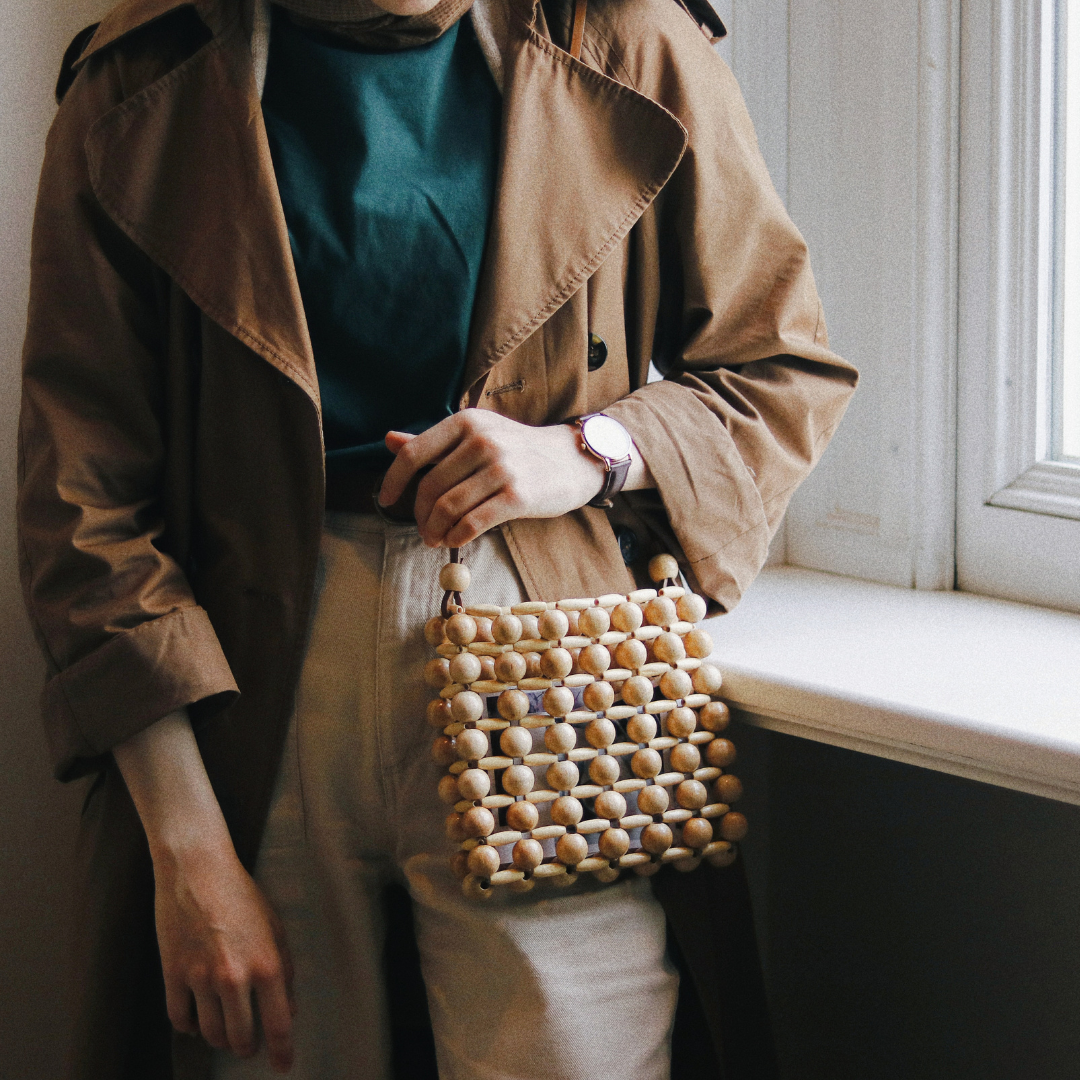
Bags in structured shapes or modern designs enhance the outfit’s overall sophistication. Crossbody bags and small backpacks work best for casual looks with jeans, balancing practicality and style.
Selecting the Right Denim for Customisation
Choosing the appropriate denim is essential for successful customisation. The choice depends on the original jeans’ condition, fabric type, and the intended style outcome for women’s jeans or unisex pieces. Understanding fabric qualities helps ensure the new design holds up and looks modern.
Choosing Ideal Types of Old Jeans
Old jeans with sturdy construction and minimal damage are the best candidates. Mid-weight denim (10-14 oz) balances durability and comfort, making it easier to work with.
High-waisted or classic straight-leg women’s jeans offer a versatile canvas for adding patches, embroidery, or distressing. Avoid jeans with excessive wear in key areas, as these may weaken after customisation.
Look for jeans with unique details like vintage hardware or original branding to enhance a modern twist while preserving character.
Understanding Fabrics and Their Effects on Style
Denim fabric varies between 100% cotton and blends with elastane or polyester. Pure cotton denim tends to fade and soften over time, lending a rugged, vintage look.
Stretch denim (with elastane) offers flexibility but can be harder to manipulate for techniques like embroidery. The fabric’s elasticity affects how patches or paint adhere.
Heavier denim supports bold customisation styles such as studding or layering,, but may restrict movement. Lighter denim is suitable for delicate designs but may wear through faster.
Awareness of these fabric traits helps tailor the customisation process to the denim’s strengths.