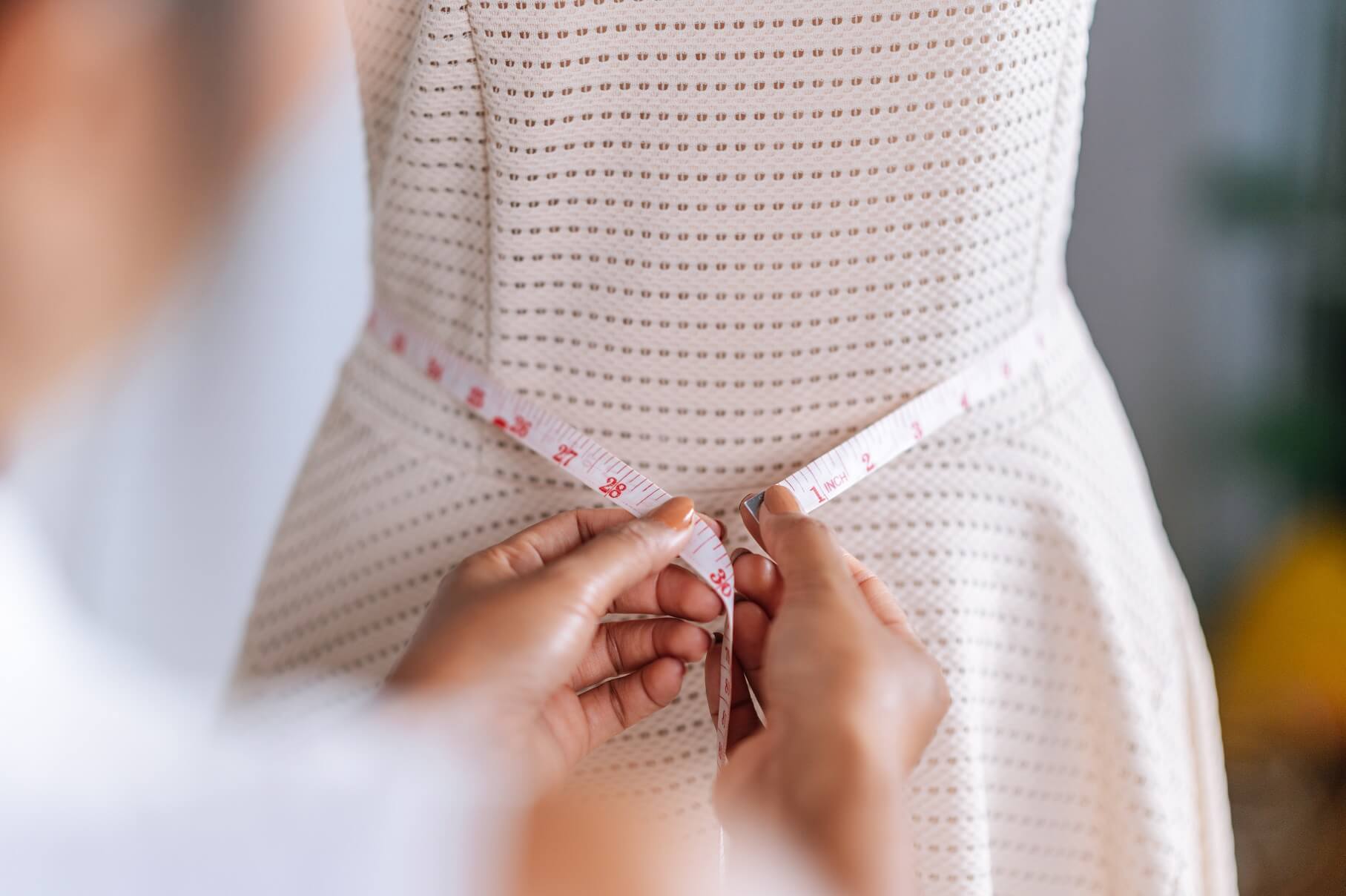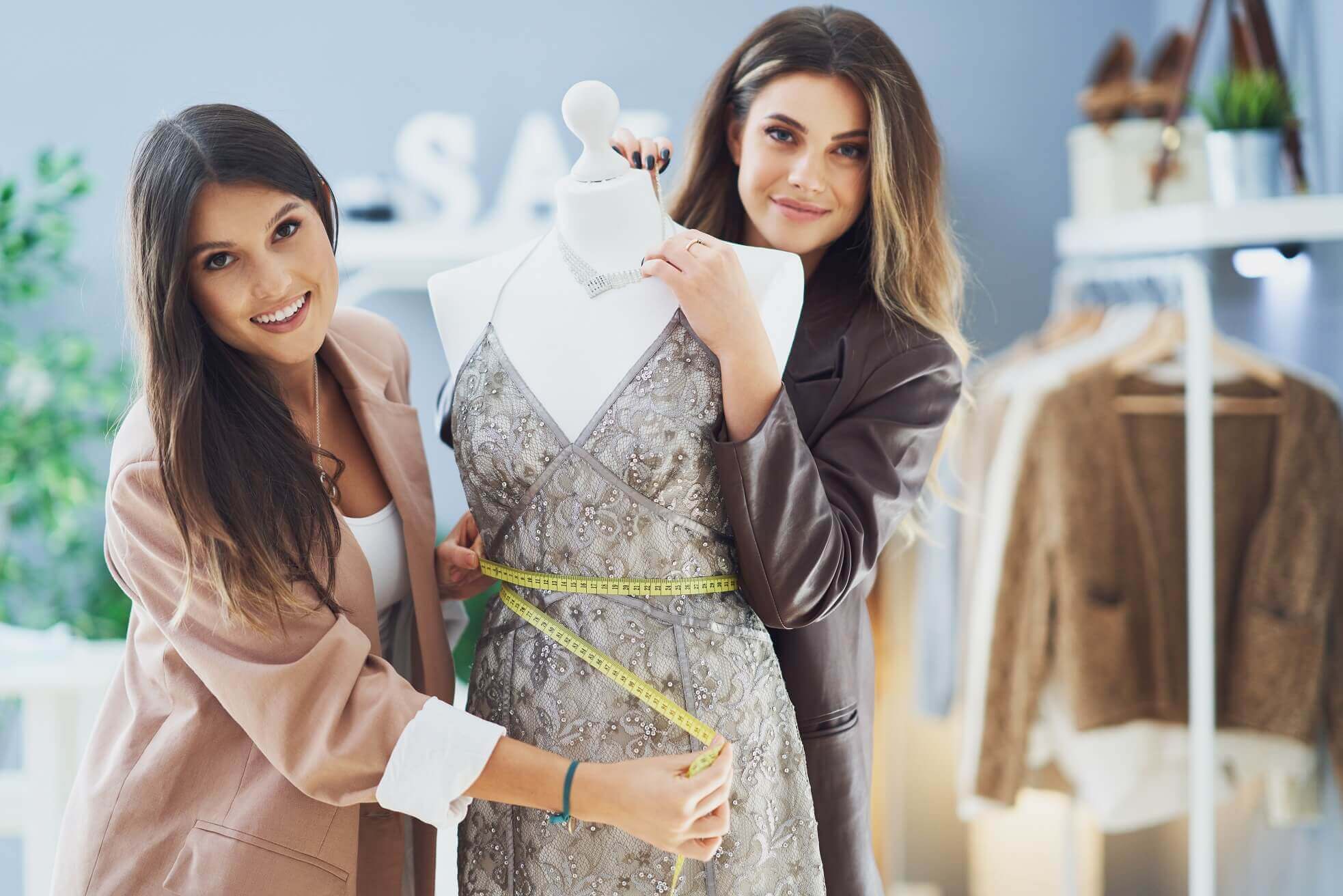

DIY fashion plays a significant role in promoting sustainable style by reducing waste and extending the life of garments. Instead of buying new clothes, people can transform existing pieces, which lowers demand for fast fashion and the resources behind it.
By creating or altering their own clothes, individuals directly support sustainability through mindful consumption and personalised style. This hands-on approach encourages creativity while minimising environmental impact.
Many find that DIY fashion also fosters a deeper connection with their wardrobe. Taking control of what they wear reduces the cycle of disposable fashion and builds more lasting value in their clothing choices.
The Role of DIY Fashion in Sustainability
DIY fashion plays a significant role in reducing waste, promoting thoughtful buying habits, and lessening environmental impact. It achieves this mainly through repairing, repurposing, and upcycling materials, which extends the life of clothing and reduces reliance on fast fashion.
Reducing Fashion Waste
DIY fashion actively reduces textile waste by transforming old or damaged clothes into wearable items. Instead of discarding garments, people personalise or repair them, preventing textiles from ending up in landfills.
This practice addresses the fast fashion cycle, where garments are often discarded after limited use. By encouraging mending and customising, DIY helps decrease demand for new production, which typically requires substantial water, energy, and raw materials.
Encouraging Mindful Consumption
People engaged in DIY fashion tend to consume less impulsively. The time and effort involved in creating or altering clothing encourage more thoughtful decisions about purchases and usage.
DIY also fosters skills like sewing and fabric selection, increasing appreciation for garment quality. This mindset shift promotes prioritising durability and ethical production in future purchases, supporting long-term sustainability goals.
Environmental Impact of Upcycling
Upcycling, a key element of DIY fashion, converts old textiles into higher-value products while avoiding environmental harm linked to manufacturing new fabrics. It reduces pollution generated by textile dyeing, chemical treatments, and waste processing.
By using materials already in circulation, upcycling cuts carbon emissions associated with producing new fibres. It also conserves resources, such as water and energy, that would otherwise be spent on fresh clothing production, contributing positively to sustainability efforts.
Upcycling Techniques and Trends
Upcycling transforms old garments into new, functional pieces while reducing textile waste. Techniques often focus on enhancing design, fit, and fabric use. Innovative ideas further extend the lifecycle of clothing without the need for new materials.
Popular Methods for Upcycling Garments
Common upcycling methods include patchwork, embroidery, and dyeing. Patchwork combines fabric scraps to repair or embellish clothing, giving it a unique texture and pattern. Embroidery adds decorative stitching that personalises and reinforces worn areas on garments.
Dyeing techniques, such as tie-dye or shibori, refresh faded clothes with vibrant colours. Another popular method is resizing or altering garments to improve fit or change their style. These approaches revive old clothes and prevent them from becoming waste.
Upcycled Dress Innovations
Upcycled dresses often feature mixed textiles and creative tailoring. Designers reuse fabric panels from multiple garments to craft one cohesive dress. This technique not only conserves material but also delivers distinctive colour blocking effects.
Some upcycled dresses incorporate original details, such as buttons and zips, to maintain character. Others use zero-waste cutting strategies to minimise fabric scraps. These innovations cater to consumers seeking sustainable but stylish options.
Creative Sources for Materials
Materials for upcycling extend beyond worn clothes. Textile offcuts from fashion manufacturers provide high-quality, unused fabric that can be repurposed in upcycled projects. Old bed linens, curtains, and scarves are also common sources.
Sourcing fabrics locally reduces the carbon footprint linked to transport. Additionally, thrift stores and charity shops serve as accessible hubs for discovering unique materials. These varied sources enable diverse and resource-efficient upcycling practices.
Empowering Individuals Through Sustainable Style
DIY fashion encourages people to take control of their wardrobe while reducing environmental impact. It promotes creativity and practical skills that support a long-term commitment to sustainability.
Expressing Personal Style Sustainably
DIY fashion allows individuals to customise clothing using existing materials, which cuts down on the consumption of new resources. By repurposing old garments or thrifted items, they avoid adding to landfill waste and reduce demand for fast fashion.
People can also choose eco-friendly fabrics, natural dyes, or non-toxic paints to enhance their pieces. This personalisation process reflects unique style preferences without compromising sustainable values. It also creates meaningful connections with their clothes, reducing the urge to discard quickly.
Using techniques like embroidery, patchwork, and sewing makes outfits distinct while extending their life. This approach fosters a thoughtful wardrobe that respects environmental limits and avoids mass-production practices.
Building Skills and Confidence in DIY Fashion
Learning DIY fashion builds practical skills such as sewing, pattern making, and fabric care. These abilities empower individuals to mend or alter garments, preventing premature disposal and promoting reuse.
As confidence grows, people become less dependent on buying new clothes and more motivated to maintain their wardrobes. This shift supports sustainable habits by reducing textile waste and energy consumption associated with manufacturing.
Workshops, online tutorials, and community groups provide accessible support to develop these skills. Their collaborative nature encourages shared learning around sustainability principles. In this way, DIY fashion becomes both an educational and empowering experience.
Supporting the Broader Sustainable Fashion Movement
DIY fashion plays a key role in advancing sustainable style by encouraging practices that reduce waste and build community connections. It engages individuals in actionable ways that align closely with wider environmental goals and shared values.
Promoting Circular Fashion Practices
DIY fashion champions circularity by focusing on upcycling and reusing materials, which minimises landfill waste. When individuals transform old clothing into new pieces, they extend the life cycle of garments and reduce demand for virgin textiles.
This approach reduces resource consumption and lessens the environmental impact associated with garment production, such as water use and emissions. DIY creators often adopt repair techniques, patchwork, and creative redesign, all of which make circular fashion tangible and accessible.
By working with existing materials, DIY fashion supports sustainability goals directly and demonstrates practical examples of circular living. This grassroots effort complements industry-level initiatives to close the loop in fashion.
Inspiring Community and Collaboration
DIY fashion fosters communities where knowledge and skills about sustainable techniques are shared freely. Workshops, online forums, and local groups help spread awareness of ethical fashion and practical upcycling methods.
These collaborative spaces empower individuals to learn from others, building confidence in making sustainable choices. Peer support increases participation and keeps sustainability values strong through shared goals.
Networking also facilitates resource sharing, such as swapping fabrics or tools, which further reduces material waste. This collective effort amplifies the movement’s impact beyond individual creativity, promoting a culture of sustainability through connection.