
Upcycling wardrobe favourites is a practical way to refresh clothes without buying new items. It saves money, extends the life of garments, and reduces environmental impact. Simple changes like altering hemlines, adding patches, or dyeing fabric can transform old pieces into something fresh and personalised.
Many people overlook the potential in their existing clothes. By applying a few easy techniques, they can create unique styles that suit their current tastes. This not only revitalises the wardrobe but also encourages mindful fashion choices.
Exploring upcycling options can be straightforward and rewarding. With minimal effort, anyone can give old favourites a new lease of life, making their wardrobe more sustainable and versatile.
Why Upcycling Your Wardrobe Favourites Matters
Upcycling wardrobe favourites offers tangible benefits beyond simply updating clothes. It supports sustainable practices, fosters individual expression, and directly tackles the growing problem of textile waste.
Environmental Impact of Upcycling
Upcycling clothing reduces the need for new materials, cutting down on resource consumption such as water, energy, and raw fibres used in production. It also lowers carbon emissions associated with manufacturing and transporting new garments.
By extending the life of existing items, upcycling helps decrease demand for fast fashion, which is a major contributor to pollution. Choosing to upcycle can significantly mitigate some of the environmental harm caused by traditional clothing production cycles.
Personalisation and Creativity
Upcycling allows individuals to customise garments to their exact preferences. This creative process can involve altering cuts, adding embellishments, or combining parts of different items.
Such personalisation results in unique pieces that reflect personal styles rather than mass-produced designs. It also encourages skills development in sewing, design, and fabric manipulation, making clothing both practical and artistic.
Reducing Textile Waste
Textile waste is a growing concern, with millions of tonnes discarded annually. Many of these items end up in landfills, where they contribute to environmental degradation.
Upcycling diverts clothing from waste streams by giving it a new purpose. This practice helps reduce landfill volumes and lessens reliance on recycling processes, which can also be resource-intensive. By reusing materials, upcycling offers a direct method to curtail textile waste on a personal and community level.
Simple Techniques to Refresh Favourite Clothes
Refreshing clothes involves practical steps like fixing damage, adding new details, altering shapes, or changing colours. These methods extend the life of wardrobe staples and give garments a fresh look.
Easy Repairs and Alterations
Small repairs, such as mending holes or sewing loose seams, instantly improve clothing durability. Patching worn areas with matching or contrasting fabric can also add a unique touch.
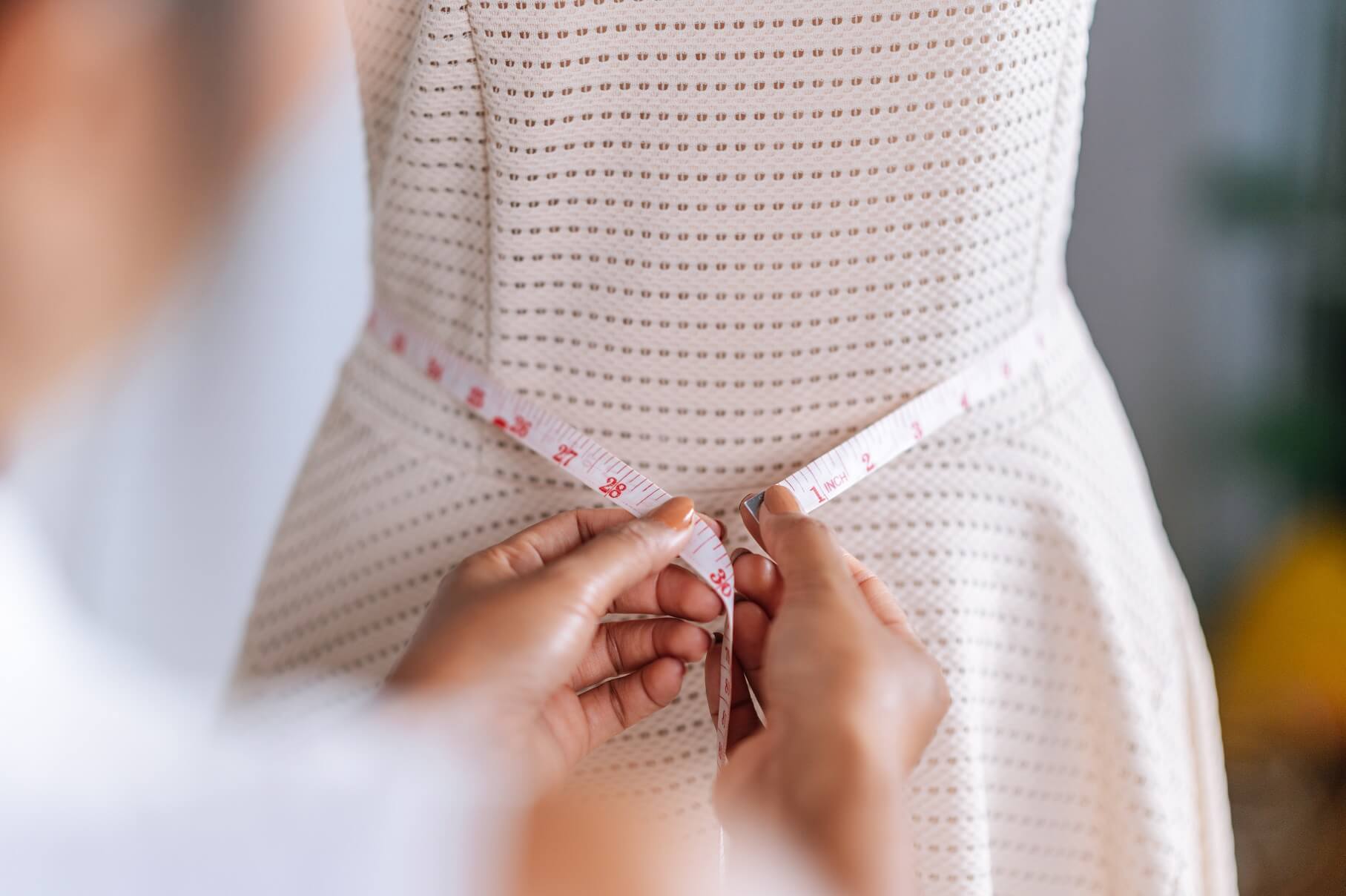
Adjusting hems or taking in seams allows clothes to fit better, increasing comfort and style. Using basic sewing tools, anyone can perform these alterations at home, saving money and reducing waste.
Adding Embellishments or Accessories
Adding lace trims, buttons, or appliqués can transform plain items into distinctive pieces. Embellishments are a straightforward way to incorporate trends without buying new clothes.
Accessories like brooches or belts alter a garment’s appearance with minimal effort. These additions support upcycling by personalising items and enhancing their appeal.
Creative Dyeing and Painting
Using fabric dye or paint can rejuvenate faded or plain fabrics. Techniques like tie-dye or block printing offer patterns that hide wear and add character.
It is important to test dyes or paints on small areas first to ensure colourfastness. These creative changes can turn a tired garment into a statement piece.
Transforming Garments with Tailoring
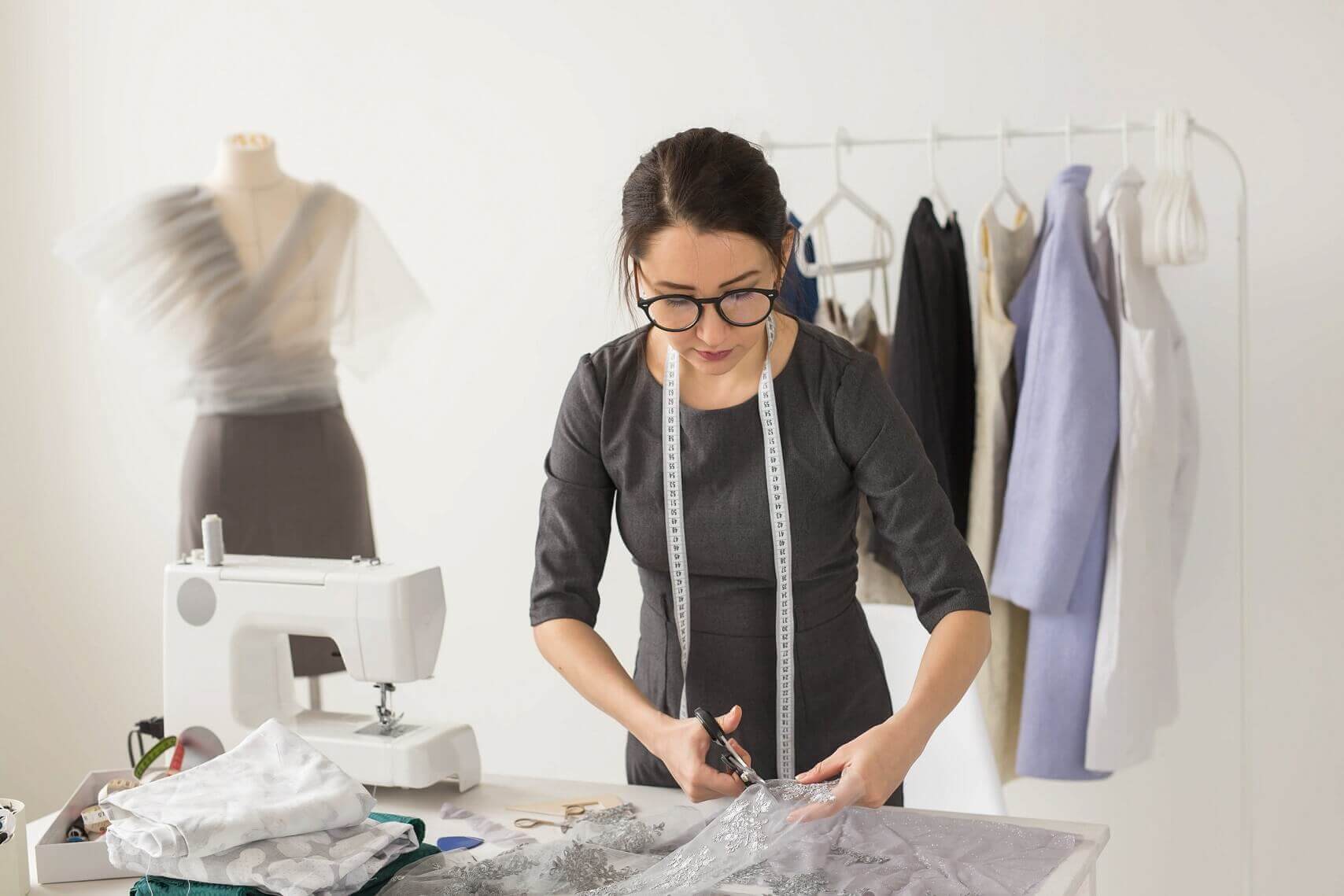
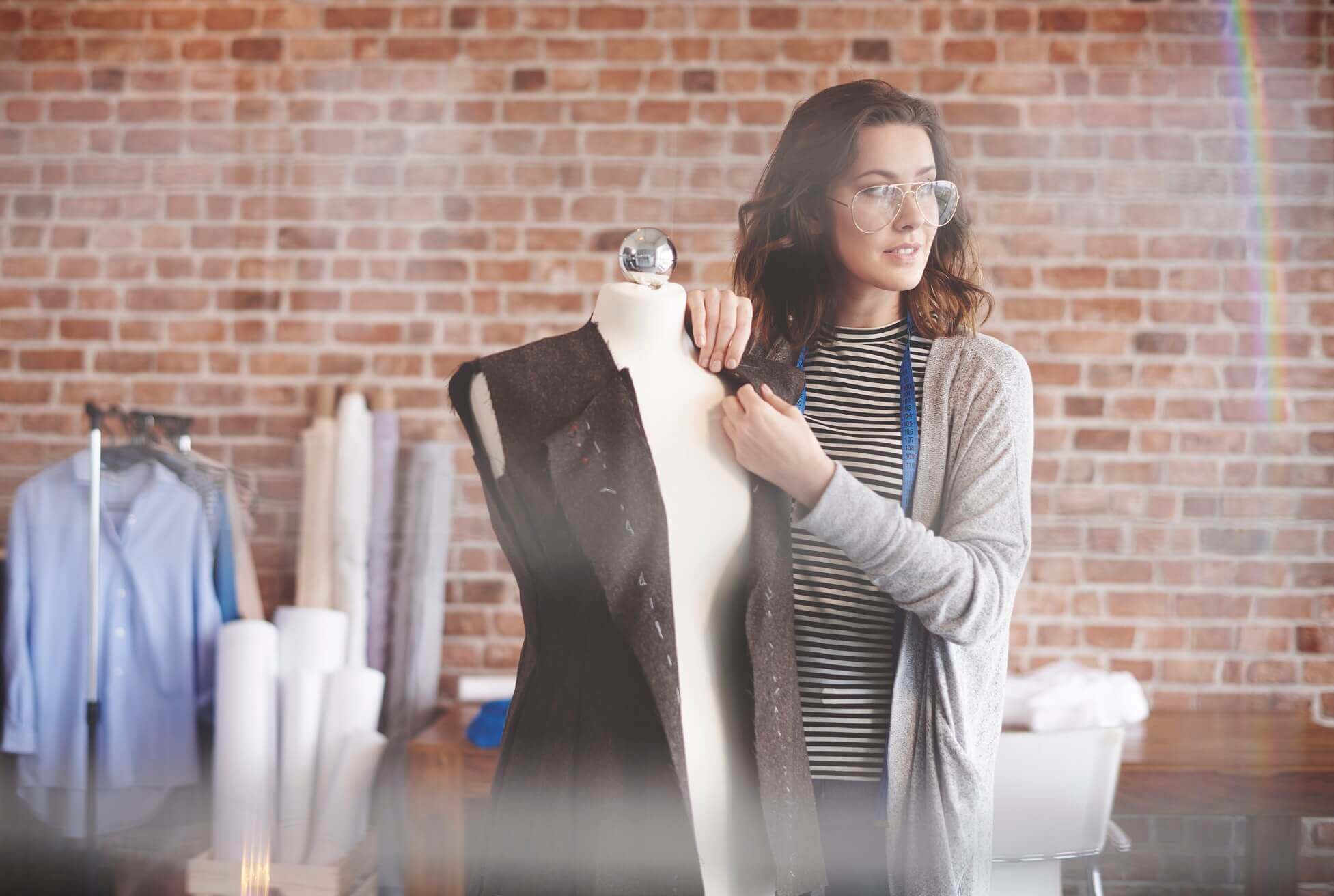
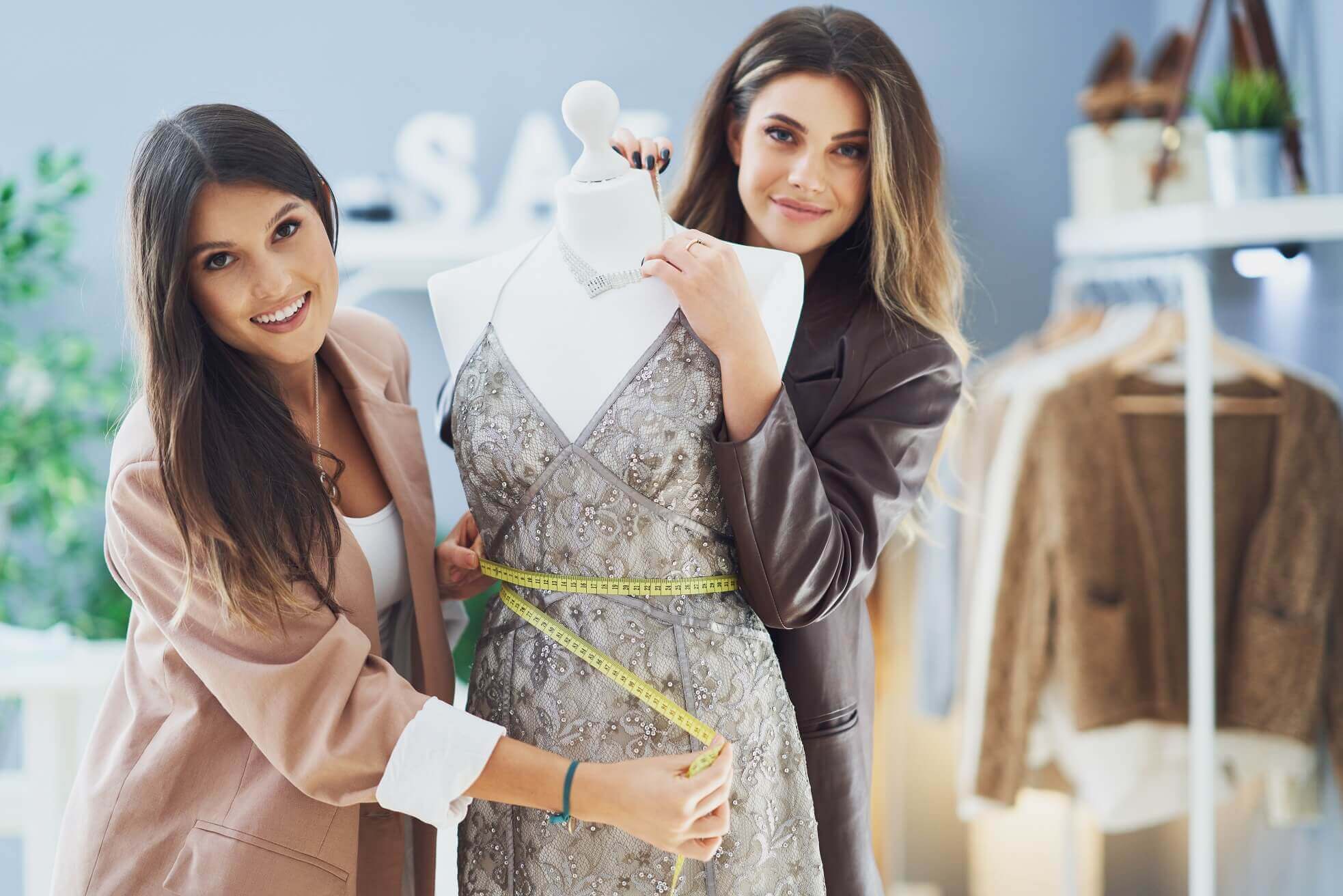
Tailoring involves reshaping clothes, such as turning oversized shirts into fitted tops or converting dresses into skirts. This process often requires more skill but can make items feel new and custom.
Cutting and resewing can change the style completely, offering a sustainable alternative to discarding old garments. Tailoring supports upcycling by improving overall garment usefulness.
Turning Old Clothes into New Wardrobe Staples
Transforming old clothing into fresh styles can extend the life of favourite pieces while reducing waste. Simple techniques for updating tees, denim, and accessories make wardrobe refreshes accessible without new purchases. Each method focuses on practicality and creativity to achieve wearable results.
Converting T-Shirts and Sweaters
Old T-shirts can become crop tops, tote bags, or layering pieces by cutting and stitching with minimal sewing skills. Removing sleeves or cutting the neckline changes the fit instantly.
Sweaters with stains or holes benefit from patching with fabric scraps or embroidery. This adds both protection and unique decoration. Turning thick sweaters into mittens or headbands also repurposes material that might otherwise be discarded.
Both items can be tied or knotted to adjust shape, offering new silhouettes. Stretch fabrics should be worked with carefully to avoid losing form during alterations.
Repurposing Jeans and Denim
Denim offers durability suited for many upcycling projects. Old jeans can be transformed into shorts by cutting and hemming. The leftover fabric scraps from this process can become patches or small items like wallets.
Jeans with damaged knees work well for patching other denim pieces, extending their wearability. Adding decorative elements like studs, fabric paint, or embroidery personalises denim while covering wear.
Cutting jeans apart can repurpose material into bags or cushion covers. Seams and pockets are valuable features to integrate into new designs to keep original details.
Upcycling Handbags and Shoes
Handbags made from sturdy fabric or leather can be refreshed by replacing handles, adding embellishments, or lining the interior with new fabric. Repairing straps or hardware increases usability.
For shoes, minor alterations like painting, adding decorative studs, or replacing laces offer fast upgrades. Worn shoe soles can sometimes be recovered or reinforced with adhesive soles.
Canvas shoes respond well to fabric markers or dye to change appearance. Leather shoes benefit from conditioning and recolouring to extend their lifespan. Each approach helps avoid the unnecessary discarding of quality items.
Tips for Making Upcycling a Habit
Developing a routine around upcycling relies on selecting adaptable clothing, finding responsible materials, and maintaining these pieces carefully. This approach helps ensure garments stay useful and wearable longer.
Curating Versatile Basics
Starting with versatile basics simplifies upcycling. Items like plain T-shirts, denim jeans, and neutral-coloured cardigans work well because they provide a flexible foundation.
These pieces can be easily altered with techniques like patching, dyeing, or adding trims. Choosing high-quality fabrics at the outset enhances durability and increases potential for creative reuse.
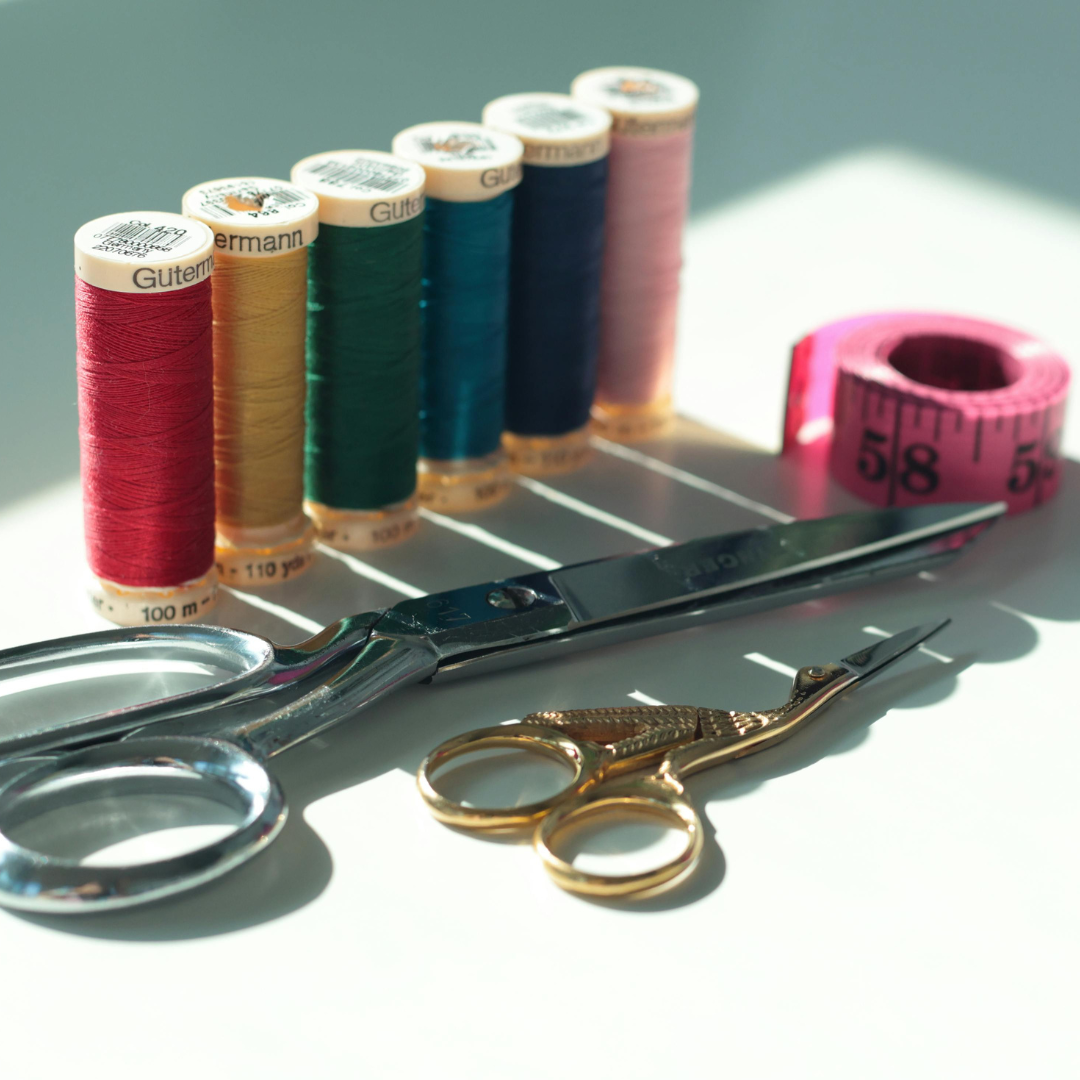
Storing these basics separately helps identify which items are ready for modification. Keeping a small toolkit nearby encourages quick adjustments when inspiration strikes.
Sourcing Materials Sustainably
Using sustainable materials is crucial in upcycling. Fabrics from thrift stores, fabric scraps, or leftover sewing supplies reduce waste and lower environmental impact.
Natural fibres such as cotton, linen, and wool are preferable because they biodegrade and can often withstand repeated alterations. Synthetic materials should be used sparingly as they break down less easily.
When purchasing new embellishments, selecting eco-friendly threads, buttons, and dyes supports sustainability goals. Local sourcing also minimises carbon footprint compared to online orders.
Caring for Upcycled Items
Proper care extends the life of upcycled garments. Washing items in cold water and air drying reduces damage to delicate repairs and embellishments.
Using gentle detergents prevents fabric fibres from weakening over time. Repairing small tears or loose seams promptly avoids larger issues.
Storing upcycled clothing flat or on hangers protects its shape and structure. Rotating wear ensures materials do not become overly stressed in one area, preserving both function and appearance.